Alexej von Jawlensky's estate provides insights into the life of the famous expressionist. To mark the 200th anniversary of the Museum Wiesbaden, the Jawlensky Archive is moving from Locarno/Muralto to Wiesbaden. For over 40 years, Angelica Jawlensky Bianconi, Jawlensky's granddaughter, has preserved her grandfather's writings and beloved objects. The “Alexej von Jawlensky Research Archive” is headed by Dr. Roman Zieglgänsberger, curator for classical modernism, and from 2027 onwards, parts of it will be permanently exhibited as part of a large-scale new presentation of the world's most important collection of paintings by the Blue Rider artist.
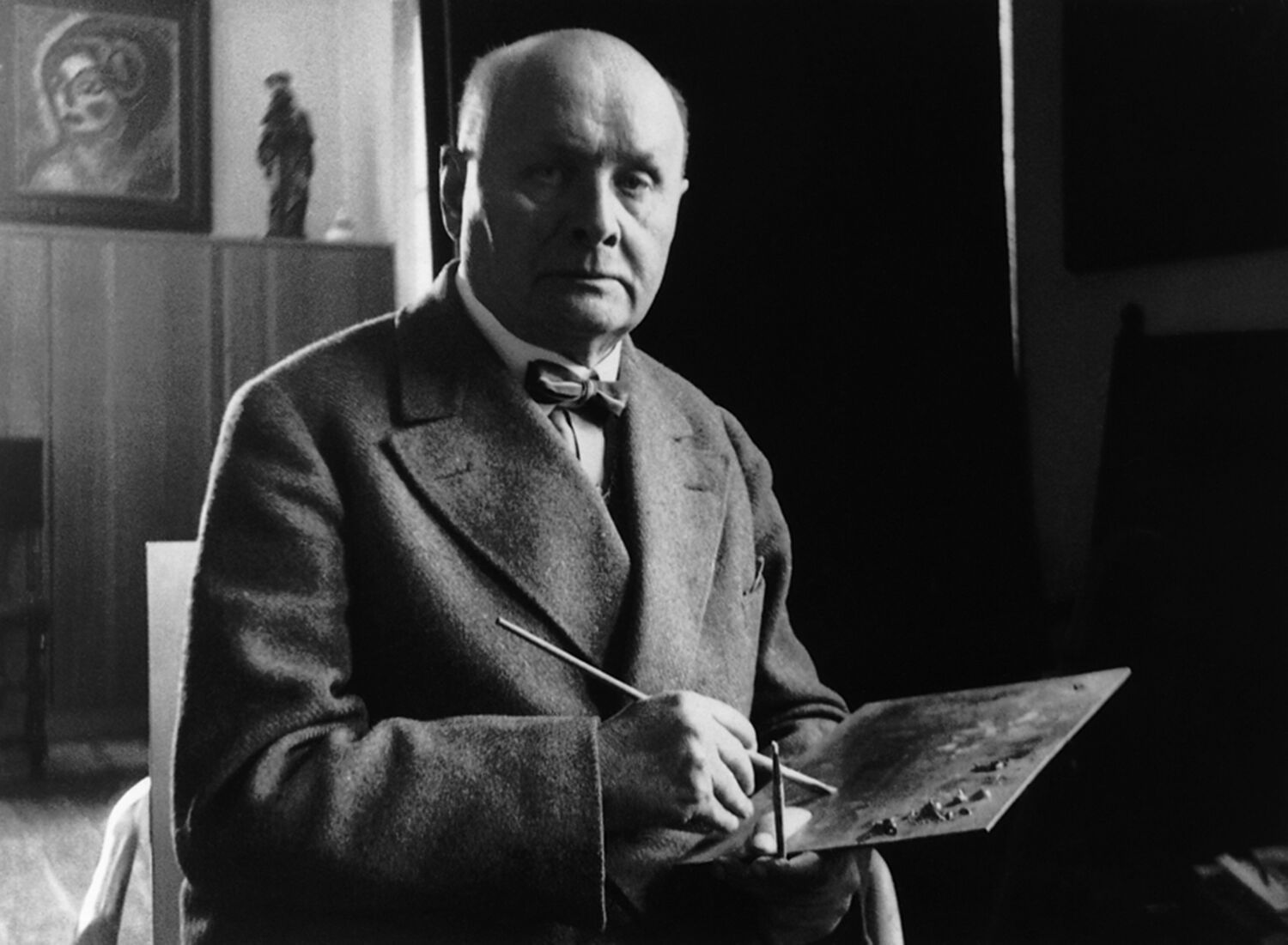
In 2021, it was publicly announced that the Alexej von Jawlensky Archive would be transferred from Ticino in Switzerland to the Museum Wiesbaden over the next five years. Angelica Jawlensky Bianconi—granddaughter of the Russian-German artist, who always felt European—made this happen: she donated the Jawlensky Archive, which she had managed for 40 years in Locarno/Muralto, to the Museum Wiesbaden.
The expressionist painter Alexej von Jawlensky, who was extremely important for European art history, died in Wiesbaden in 1941, where he had lived and worked for 20 years. From 1955 onwards, his son Andreas Jawlensky – after returning from ten years of traumatic captivity as a prisoner of war in Russia – took care of his father's work and began to build up the archive in Wiesbaden. Due to the invasion of Hungary by the Soviet army on November 4, 1956, the Jawlensky family decided to move to Locarno in neutral Switzerland for fear of being taken prisoner by the Russians again. After Andreas Jawlensky's death in 1984, his wife Maria and their two daughters Lucia and Angelica took care of the archive. In 1998, art historian Angelica Jawlensky Bianconi took over full management of the archive and established a voluntary scientific advisory board at the beginning of 2000.
At the opening of the exhibition “The Lot! 100 Years of Jawlensky in Wiesbaden” in 2021, she announced her intent to donate the archive to the Museum Wiesbaden over the next five years. As a symbolic gesture, she presented the museum with Alexej von Jawlensky’s naturalization certificate, which he obtained in 1934 out of fear of the Nazis. In October 2025, she finally put her generous announcement into practice: the archive was transferred to the Museum Wiesbaden in 110 moving boxes. Here it will be continued as the “Alexej von Jawlensky Research Archive” under the direction of Dr. Roman Zieglgänsberger.
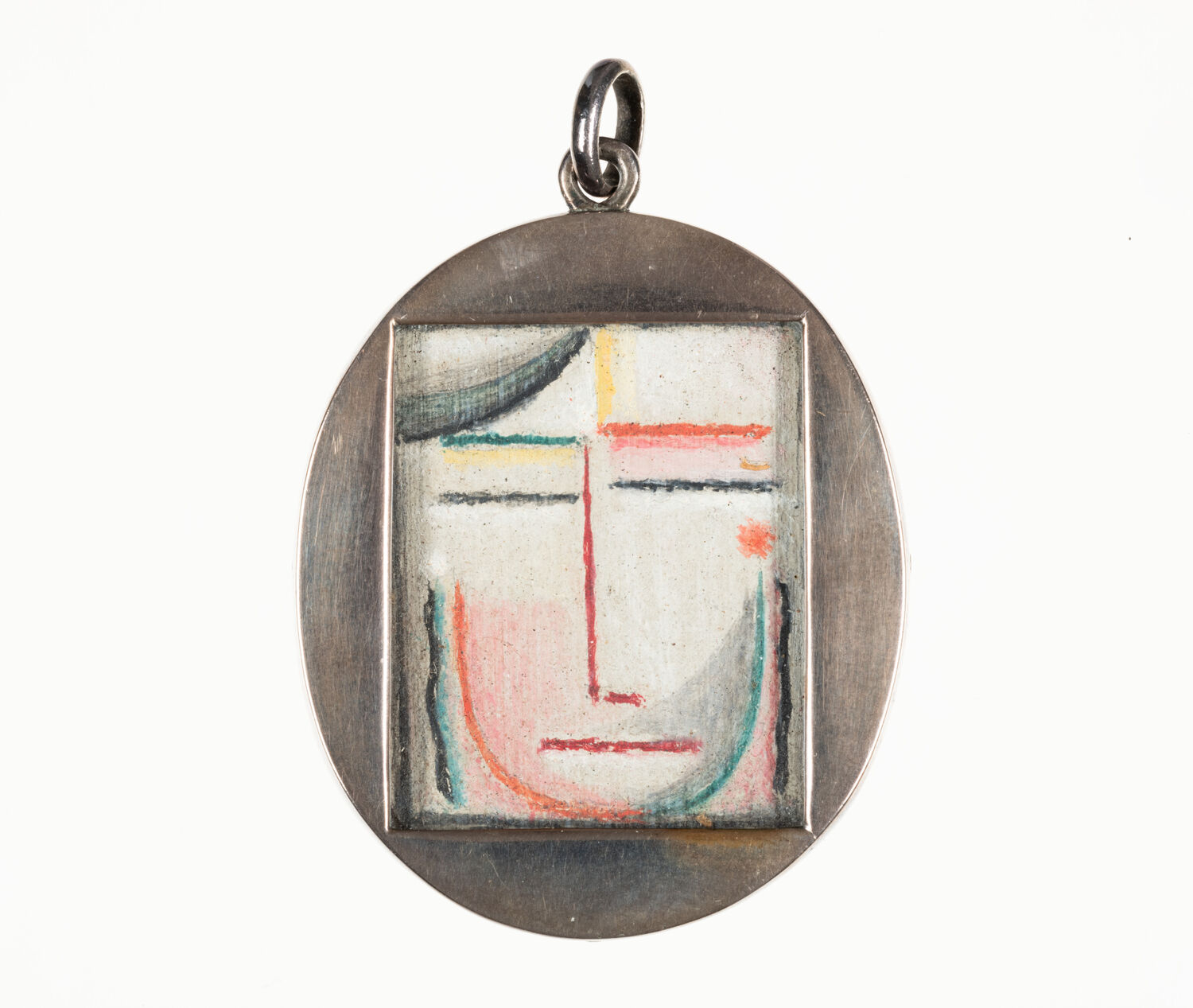
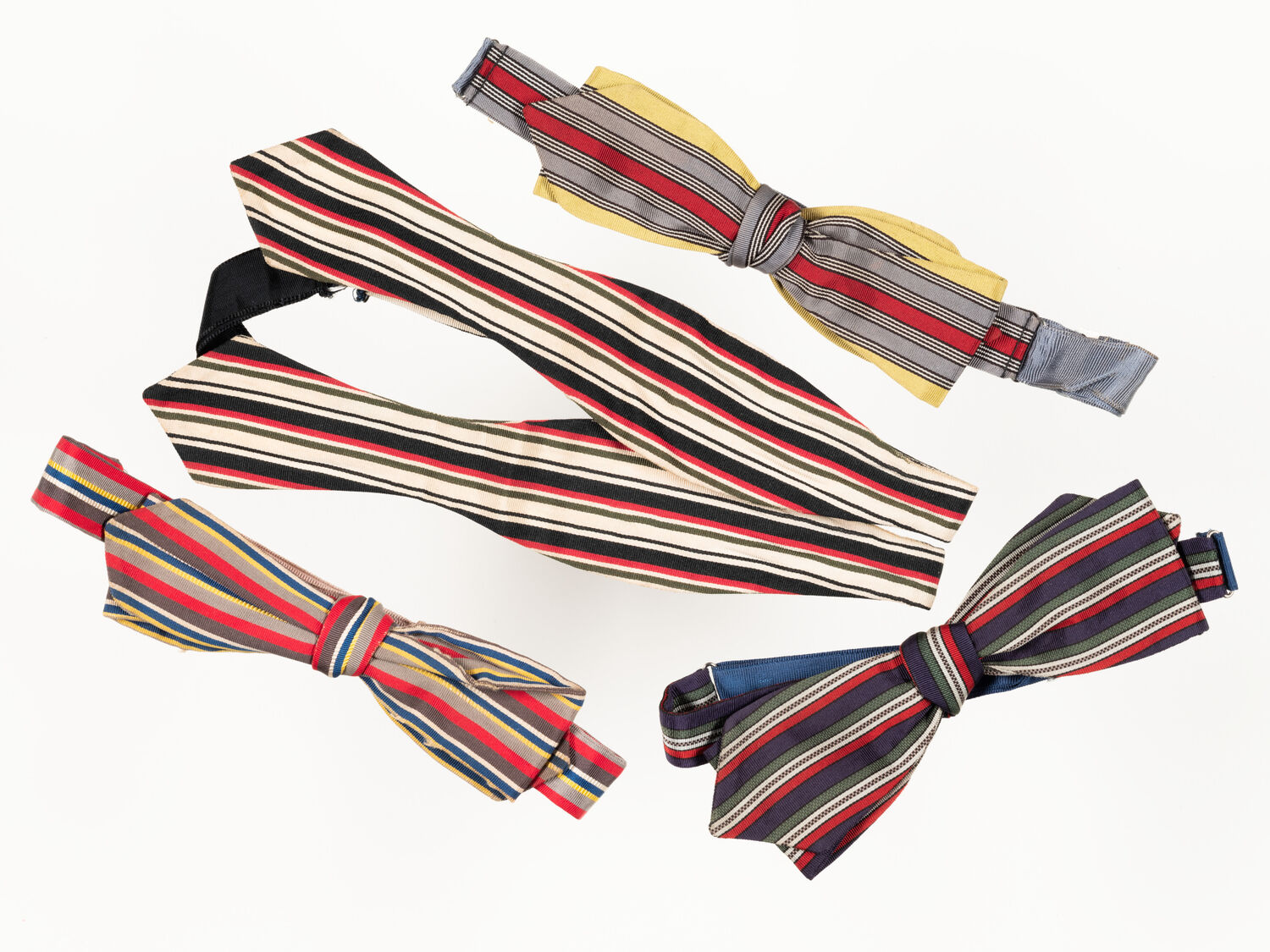
The archive includes a wealth of correspondence with artist friends ranging from Kandinsky to Kerkovius, memoirs, and historical painting lists, work records, and address books that are valuable for provenance research. In addition to an extensive art history library, it also contains original photographs, documents, furniture, objects, and memorabilia belonging to the artist, including significant passports, vases that appear in many of Jawlensky's paintings, and the colorful silk bow ties worn by the always elegantly dressed artist. Most recently, Angelica Jawlensky Bianconi donated all the jewelry that the artist had given his wife Helene over the decades they spent together to the Museum Wiesbaden. Among them is the medallion “Abstract Head – Tenderness, ” which Jawlensky made by hand in 1927.
With the addition of the written estate and the archive, which has grown over more than 70 years, to the world's most important Jawlensky collection, the Museum Wiesbaden has further consolidated its role as a leading research center for the art of Alexej von Jawlensky. We are very grateful to Angelica Jawlensky Bianconi for this extensive donation and her outstanding cooperation.