13 Mar 15 — 7 Jun 15
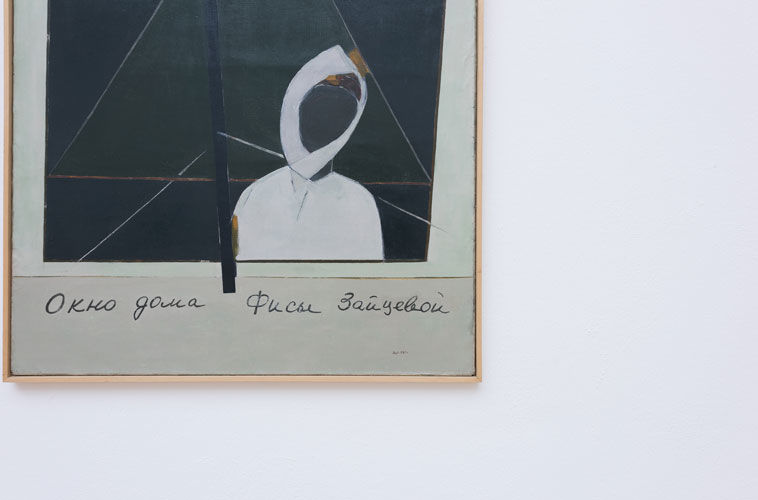
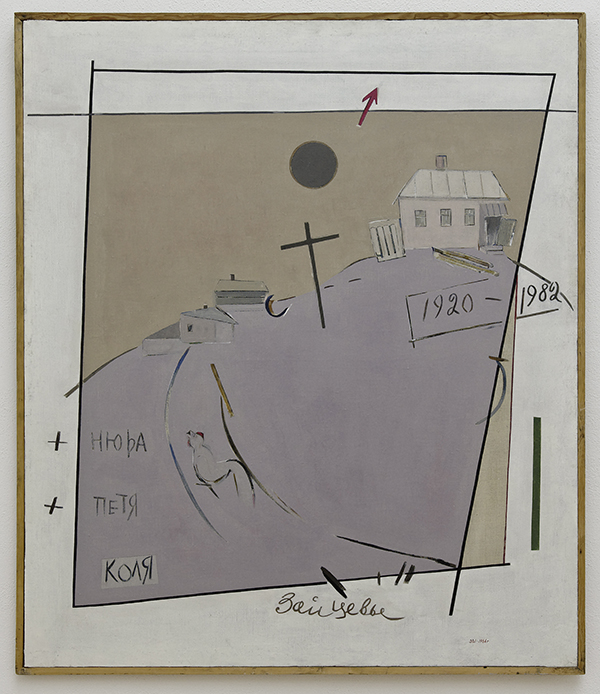
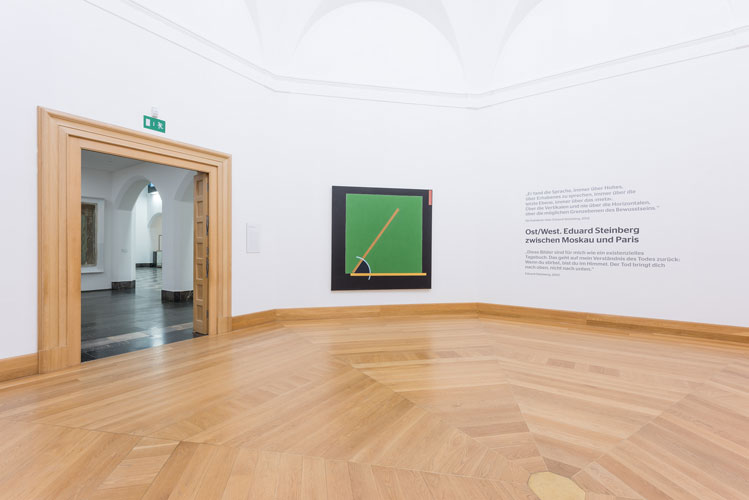
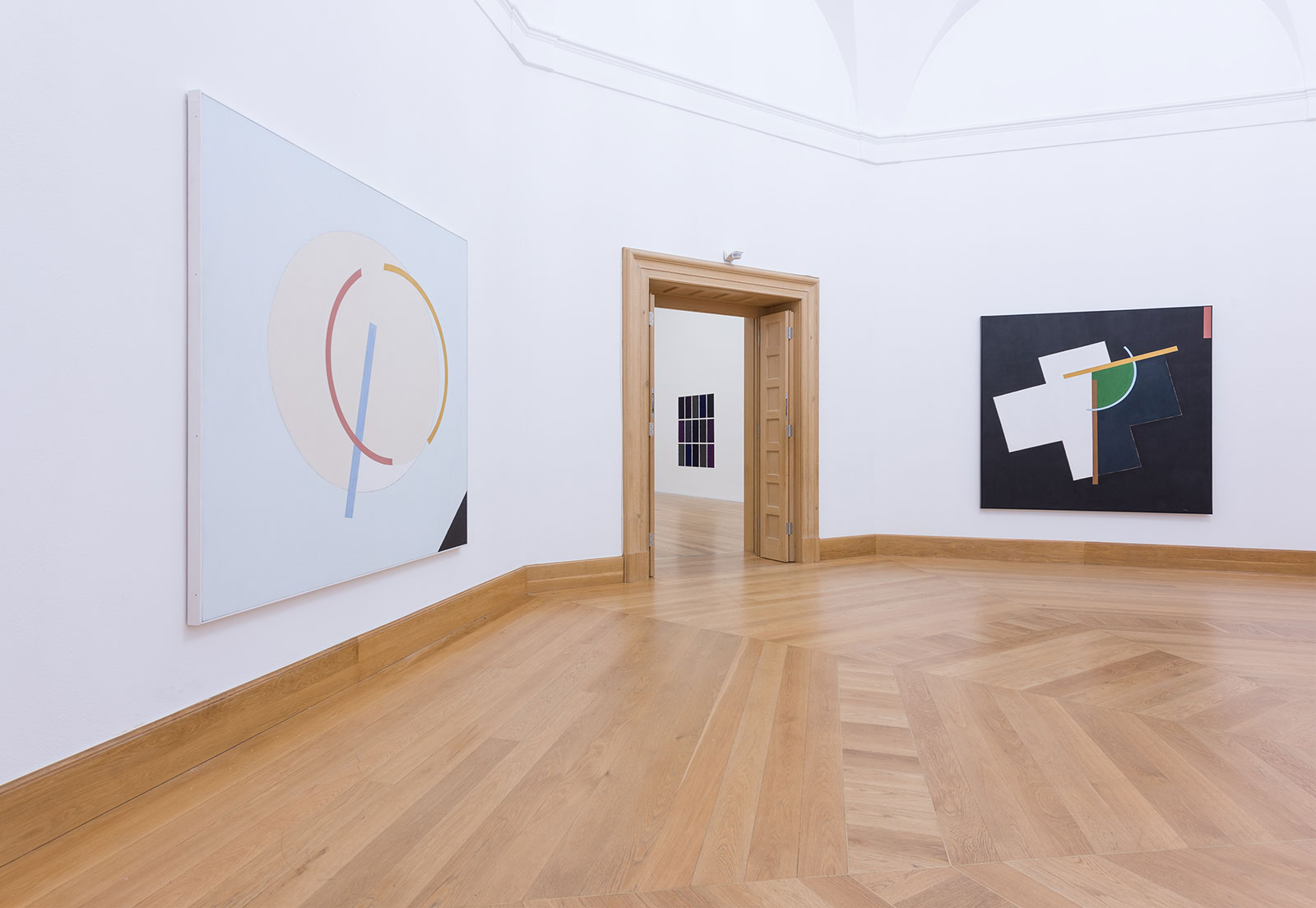
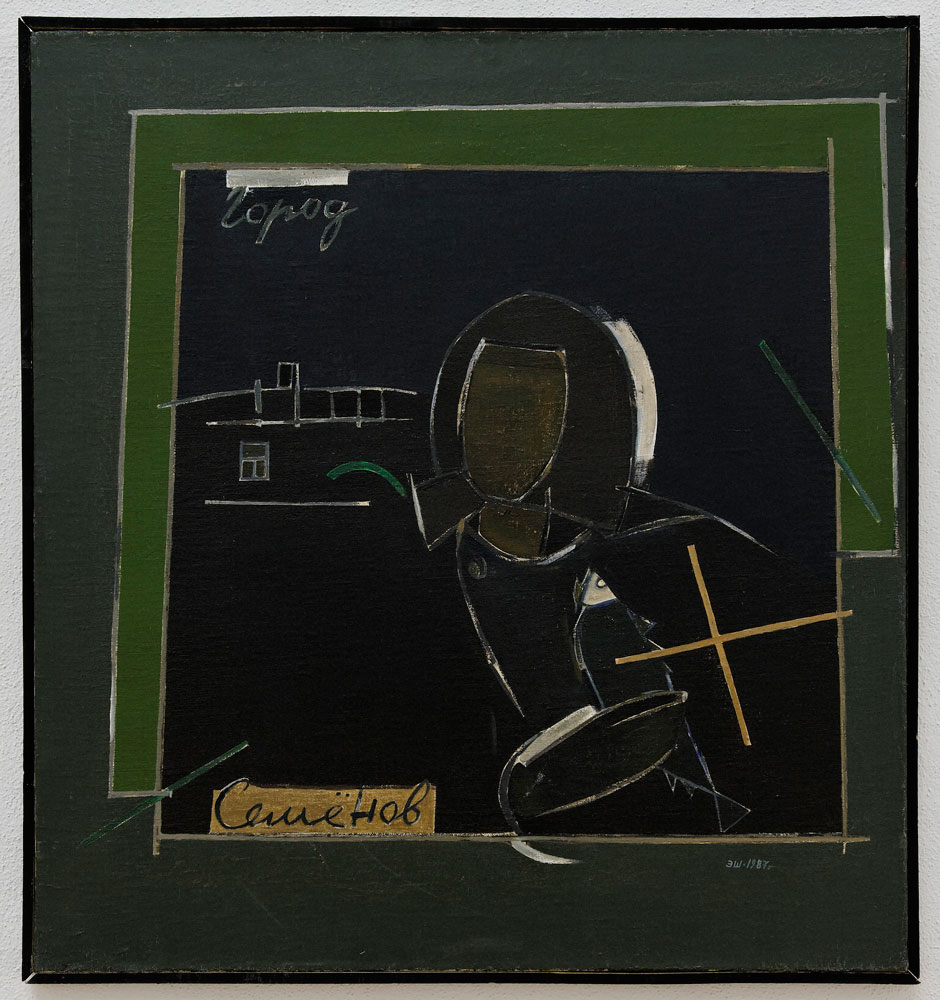
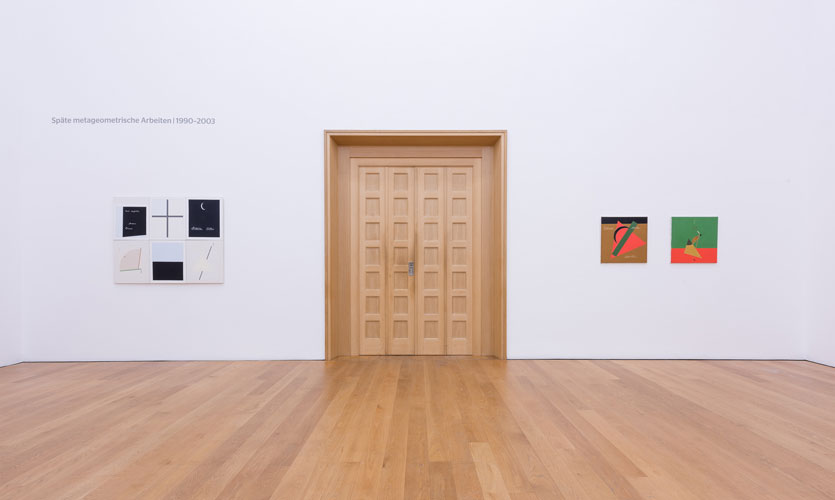
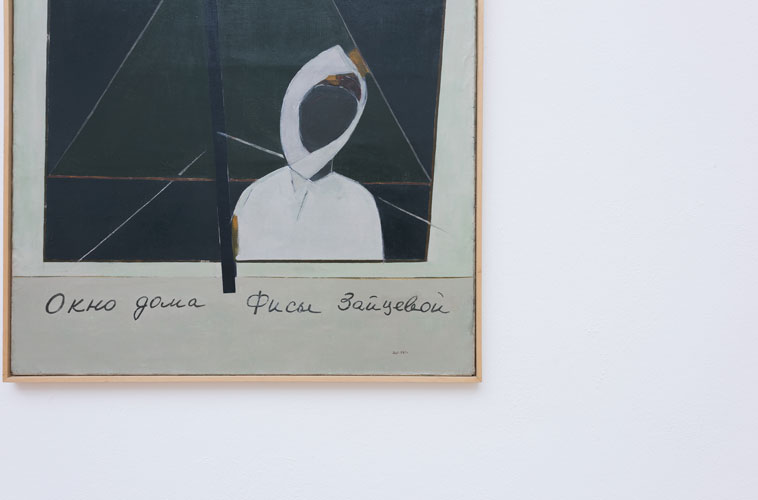
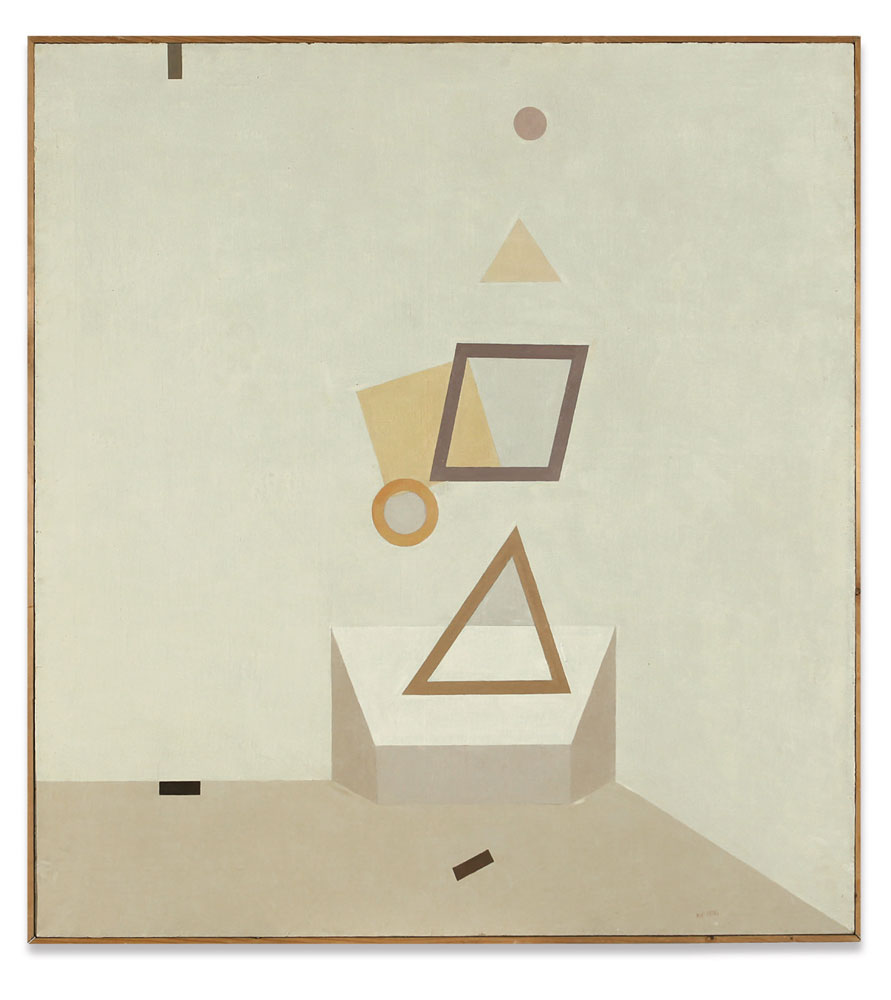
The Museum Wiesbaden presents with the exhibition "East/West. Eduard Steinberg between Moscow and Paris" presents the extensive donation made in 2013 by the artist's widow Galina Manewitsch. With the 83 donated works (mainly paintings/collages), which have been scientifically processed in two years of art historical research, all of the artist's creative phases are represented in the exhibition and are now being shown publicly for the first time in a carefully selected selection.
Eduard Steinberg, whose work is represented in the major collections of Europe, was born in 1937 in Russia as the son of an intellectual dissident. After his father's return from imprisonment in the camp, the family had to settle outside Moscow in the village of Tarusa. Here Steinberg grew up in circles of ostracized intellectual Russians, which was to have a lasting influence on his later art. Particularly committed to the art of Kasimir Malevich, Steinberg began a work that was primarily oriented towards geometric tendencies and extremely dense in terms of painting, which formally, but also in terms of content, followed the art of the founder of Suprematism and creatively led this direction of modernism into the second half of the 20th century. Due to his origins and the abstraction of his painting, deprived of almost any exhibition opportunities, Steinberg remained an insider tip in the underground of the Eastern European art scene until 1989. In the year of the fall of the Berlin Wall, he had his first solo exhibition in Moscow, which was immediately a great success. Nevertheless, he was drawn to Paris, where a renowned gallery supported him. There he works in the winter months, in the summer months he lives in his home village Tarusa to find inspiration for his work.
Alongside Alexei von Jawlensky and Ilya Kabakov, Eduard Steinberg, another painter who made a significant artistic transfer between Russia and Europe, has now found his "new home" in the Museum Wiesbaden. In Wiesbaden in 1992 Steinberg received his first recognition in Western Europe. He won the tender to design the staircase of the R+V insurance company, for which he executed four wall-filling paintings. With these paintings, the exhibition starts off brilliantly and immediately makes it clear that the Museum Wiesbaden, with its focus on Russian art in the centre of Europe - between Moscow and Paris - is an important hub.
As an introduction to the exhibition, the new film "Edik Steinberg - Metageometrie/Brief an Malewitsch" by director Gilles Bastianelli (Paris) will be shown with many quotes by the artist.
On the occasion of our exhibition the Caligari FilmBühne presents in its film series "artful" on Thursdays, 14 May 2015, at 16:30 the film "Andrej Rubljow" by Andrei Tarkowski (USSR 1966, 183 min.)
Eduard Steinberg spoke about the famous icon painter in 2001:
"Yes, Rublyov is central for me. In his Troica [icon] I see Byzantine and European tradition united. In its structure, i.e. in the drawing, this icon refers to Russia, but in its colour, in this blue and pink, it approaches the Italian tradition. For one thing, this is why the Troica is a really important icon for me. On the other hand, I see in Rublev a brilliant artist."