20 Mar 26 — 4 Apr 27
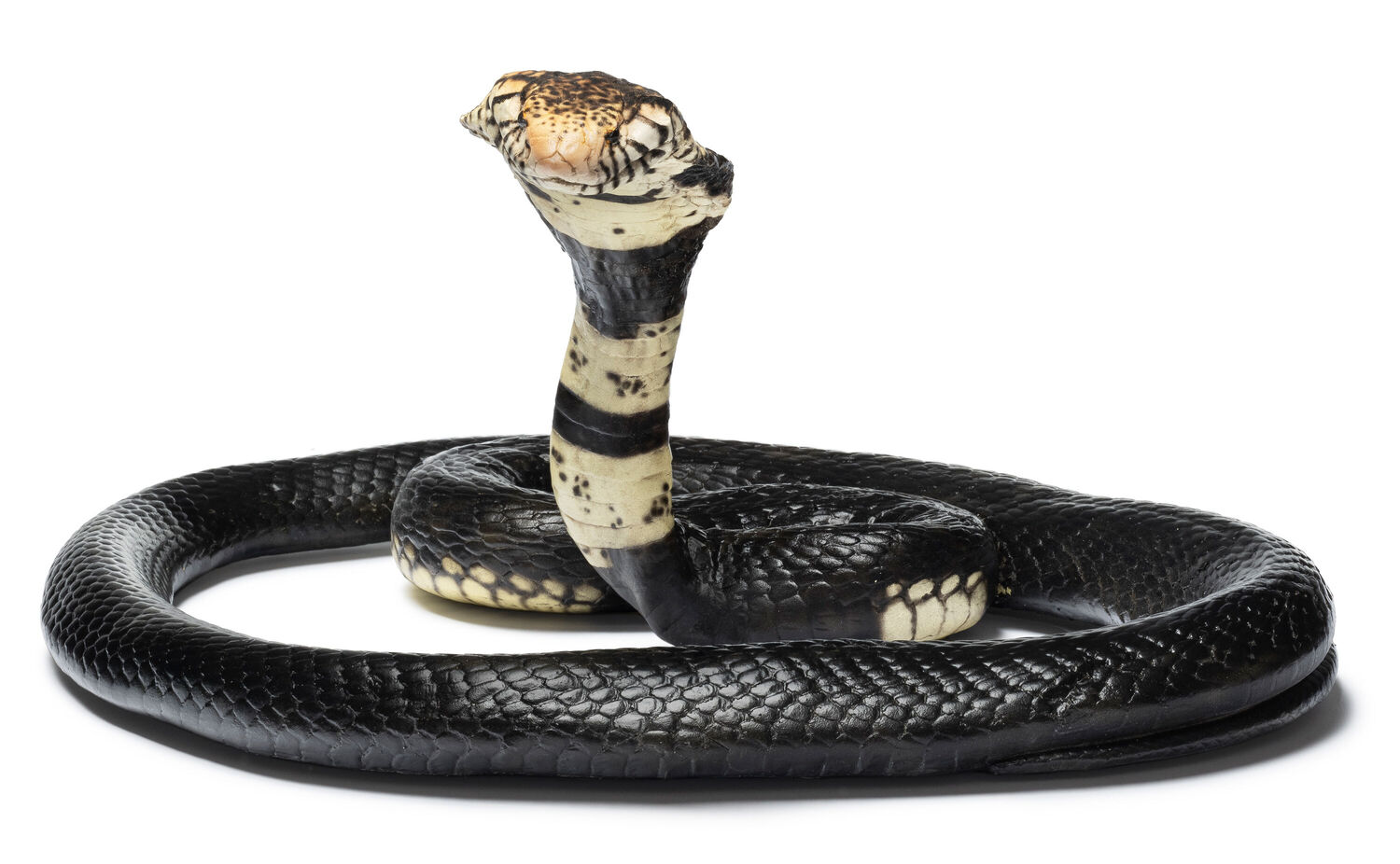
Western green mamba, Photo © iStock.com ⁄ looderoo
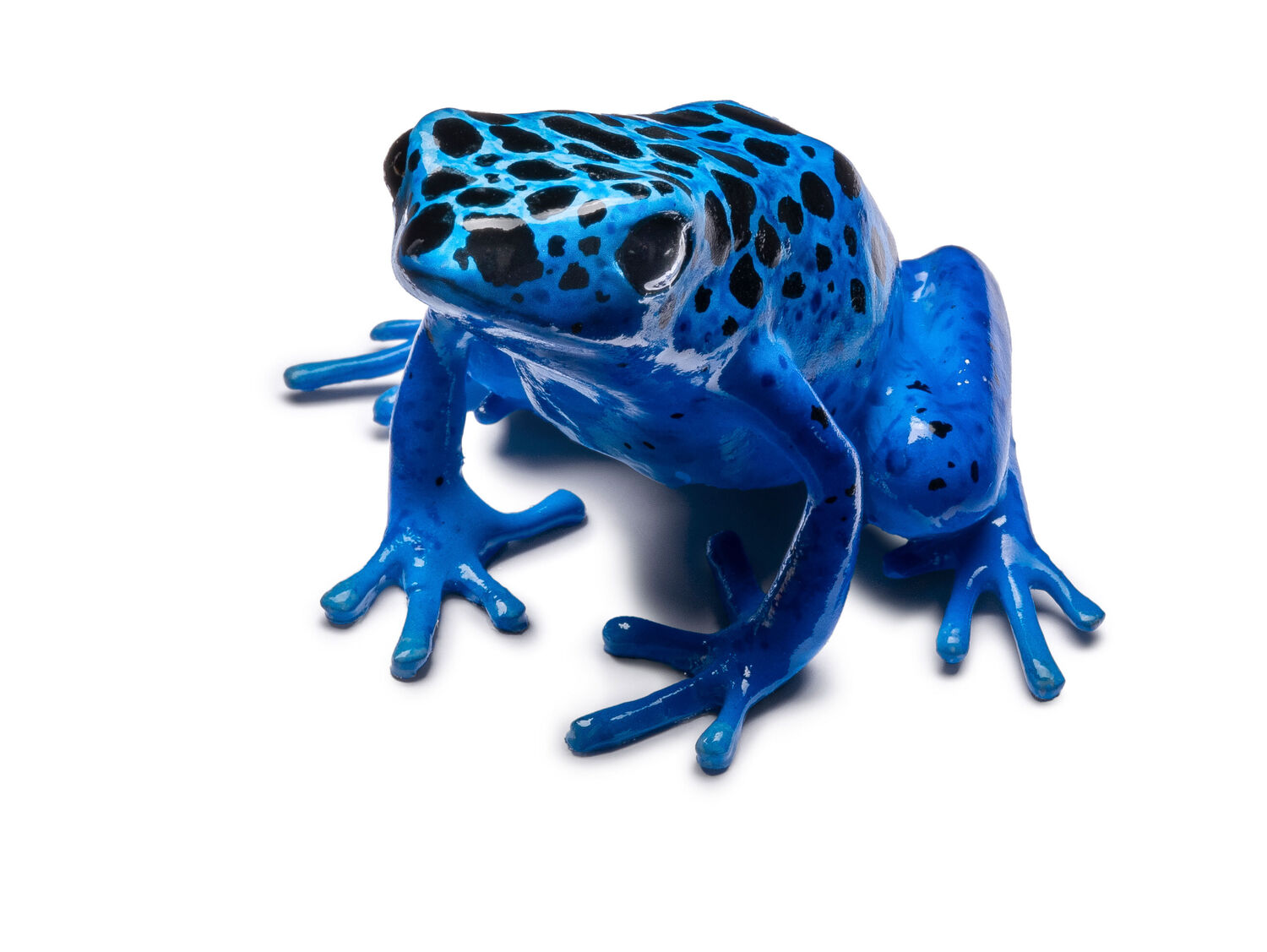
The special exhibition “GIFT — Deadly Gifts” at the Museum Wiesbaden combines nature, culture, and science in a variety of ways. In nature, poisons serve different functions: they protect against predators, as in the case of tree frogs, or enable prey to be caught, as in the case of cobras.
Join us on a journey through the world of poisonous animals, plants, fungi, and environmental hazards. Learn about different strategies for using poisons, overcome “toxic” obstacles, and solve tricky puzzles. But be careful — don't get poisoned in the process!
The exhibition brings together a wide variety of perspectives: it not only shows the impressive diversity of poisonous organisms, but also highlights how humans deal with poisonous substances. A look at medicine makes it clear that poisons can not only kill, but also heal.
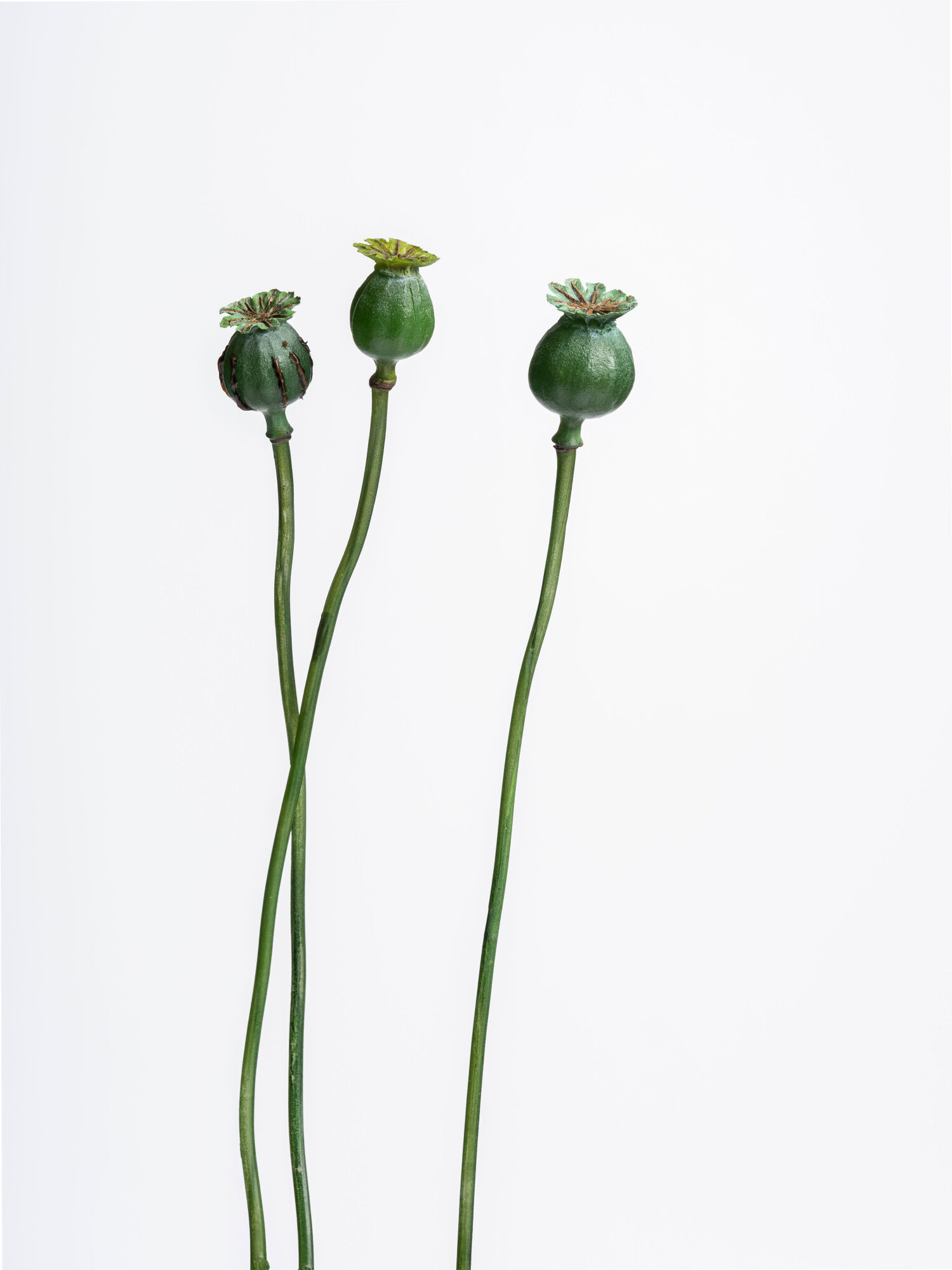
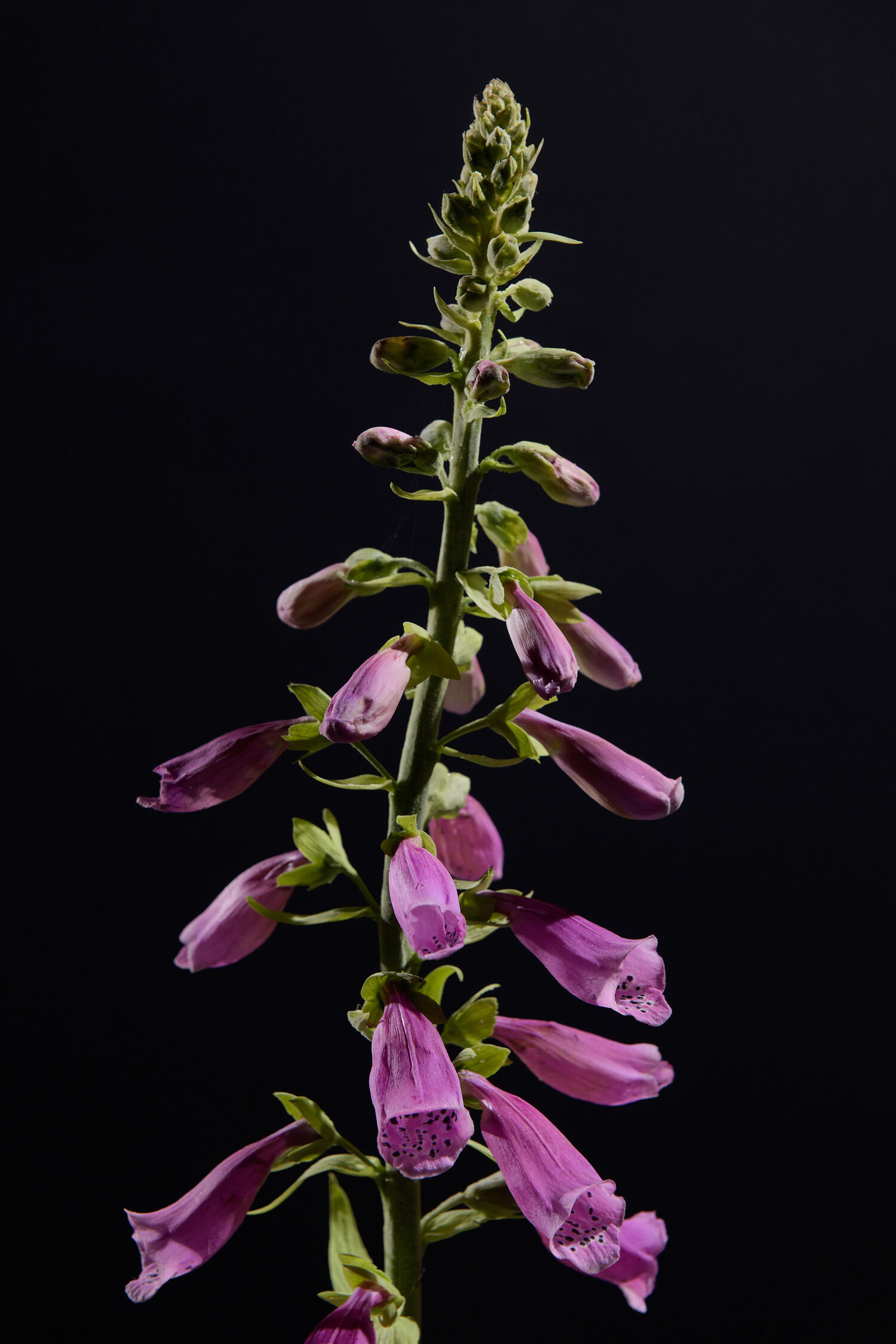
Numerous medicines are based on substances that were originally toxic — such as digitoxin from foxglove.
Paracelsus (1493—1541), Swiss physician, alchemist, astrologer, and philosopher
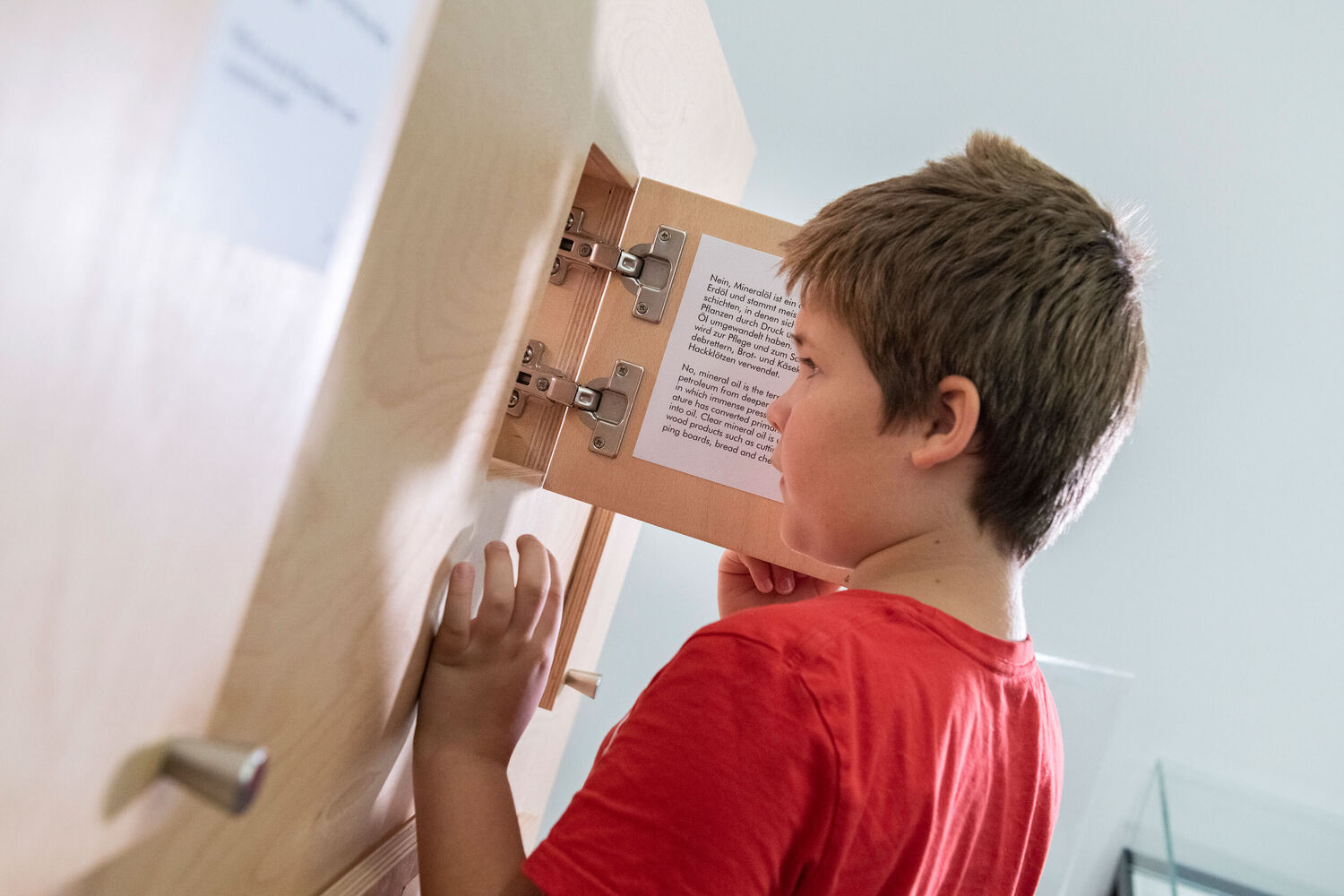
The exhibition is aimed at a broad audience: from the youngest to the oldest, from individual visitors to school classes and daycare centers.
With the help of interactive stations and an accompanying educational program, visitors can explore the topic in a playful and vivid way.
Accompanying the exhibition is an app tour that provides more in-depth information on selected content.
In cooperation with the Nassau Society for Natural History
PLEASE NOTE: all events are held in German Language!
LECTURES
Tue, May 12, 6:00 p.m.
Animal toxins — evolution, search for active ingredients, application
With Dr. Tim Lüddecke, Justus Liebig University Giessen
Tue, June 9, 6:00 p.m.
Sterile instead of toxic: Insect control with precision and without side effects
With Prof. Dr. Marc Schetelig, Justus Liebig University Giessen
Tue, Sep 8, 6:00 p.m.
Pollutants as time bombs in sediment
With Prof. Dr. Henner Hollert, Goethe University Frankfurt
Tue, Oct 13, 6:00 p.m.
Poisonous mushrooms and mushroom toxins
With Hermine Lotz, Goethe University Frankfurt
POISON PARTY
in cooperation with the Schlachthof
Sat, Apr 25, 26, from 8:00 p.m.
POISON FILM SERIES at the Caligari
Fri, Sep 18, 26
Tue, Nov 17, 26
Mon, Jan 18, 27
Fri, Mar 19, 27
More information will follow shortly.Sponsors, partners, and media partners