22 May 26 — 17 Jan 27
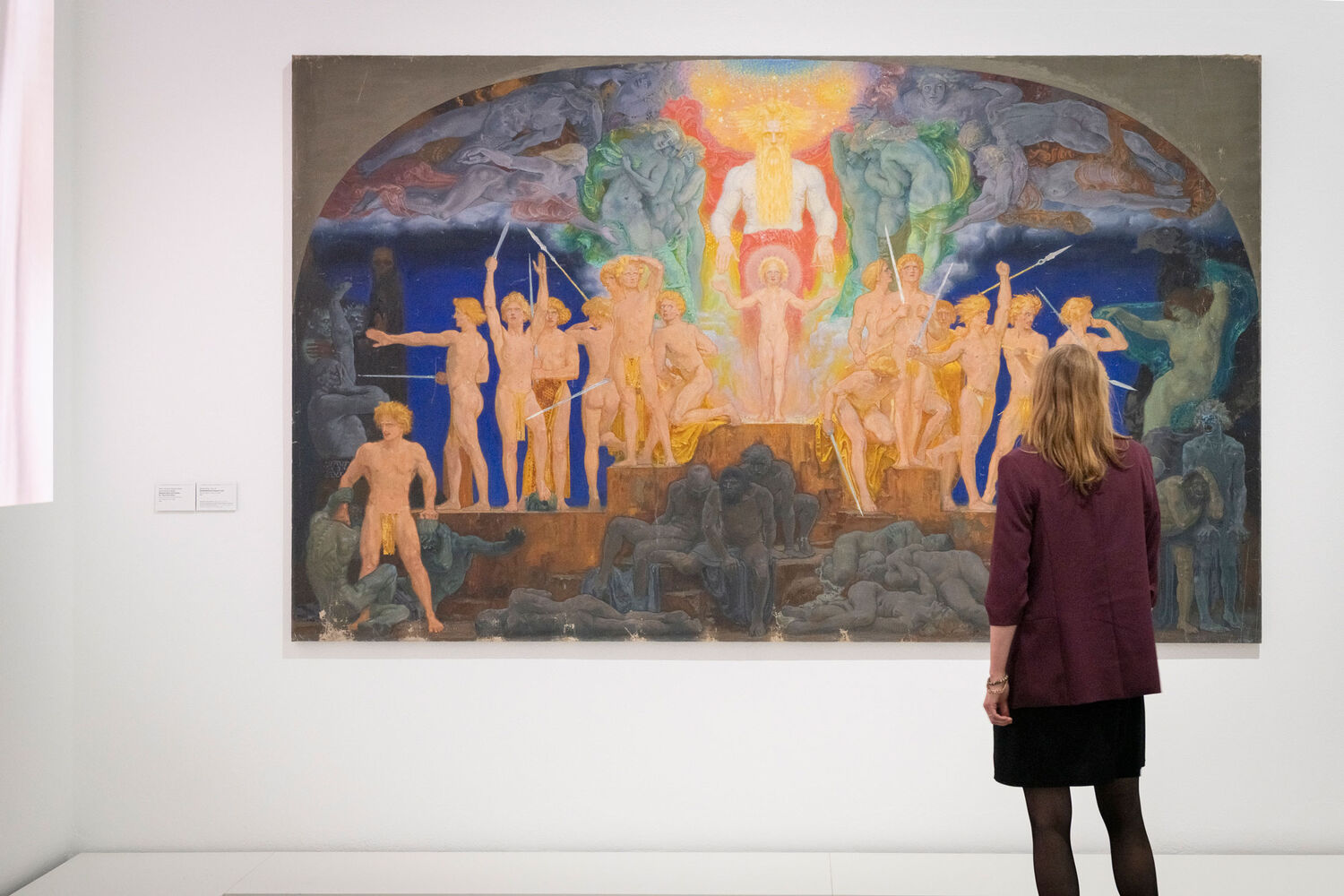
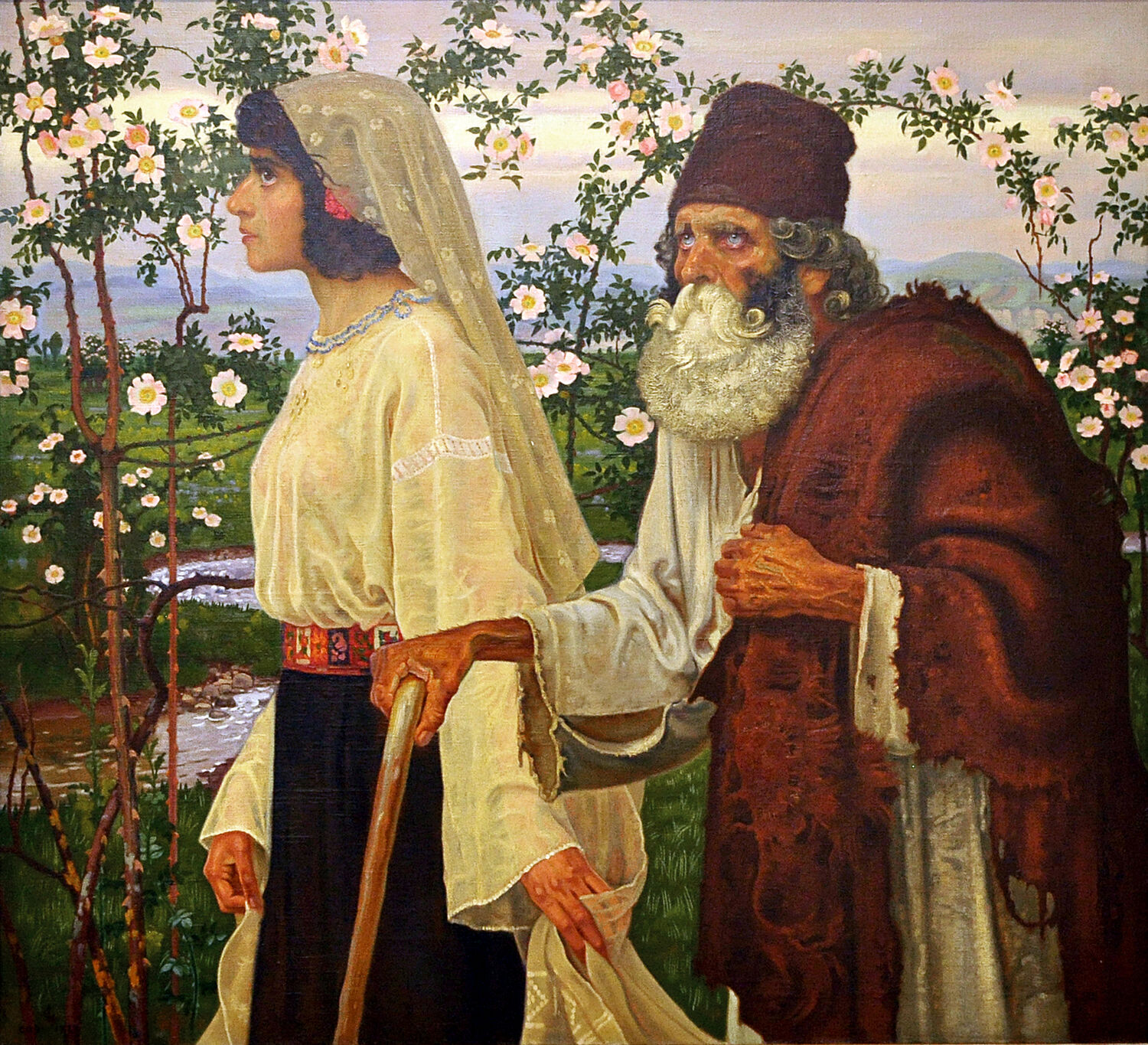
Georg Lührig, Wanderer I: Education of Man for Culture, 1904, privately owned © Tilman Holly
Wiesbadener Tagblatt, March 5th, 1909
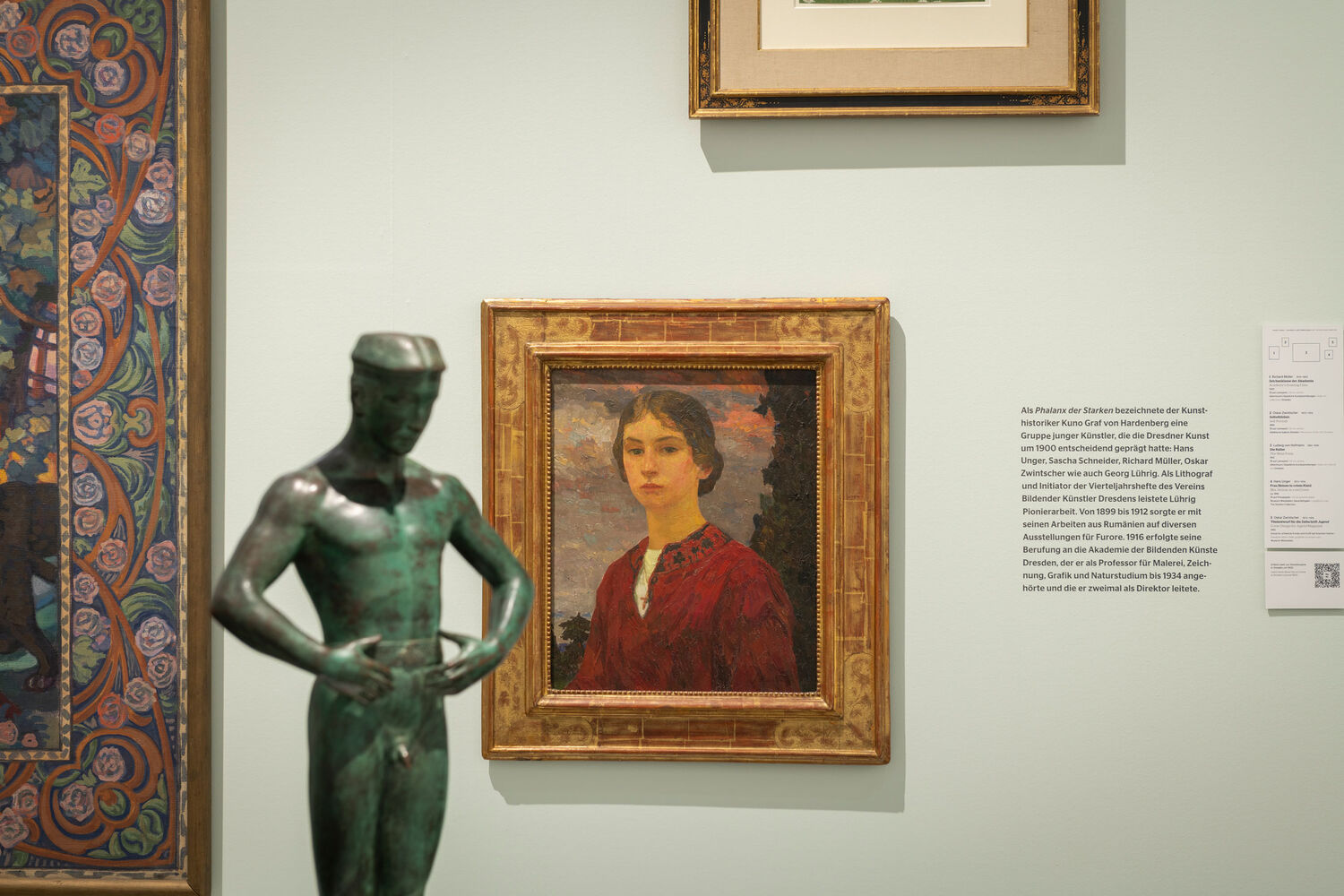
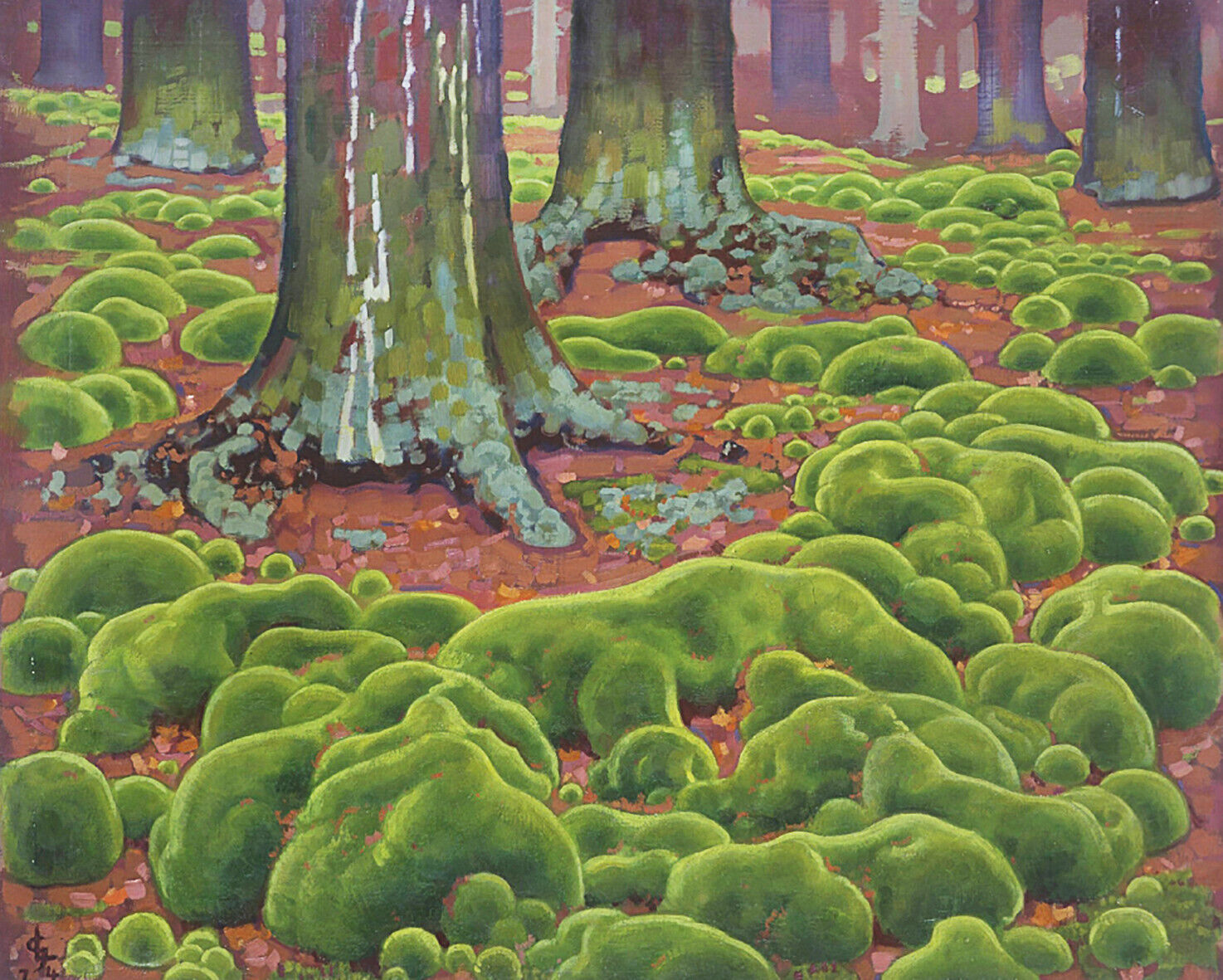
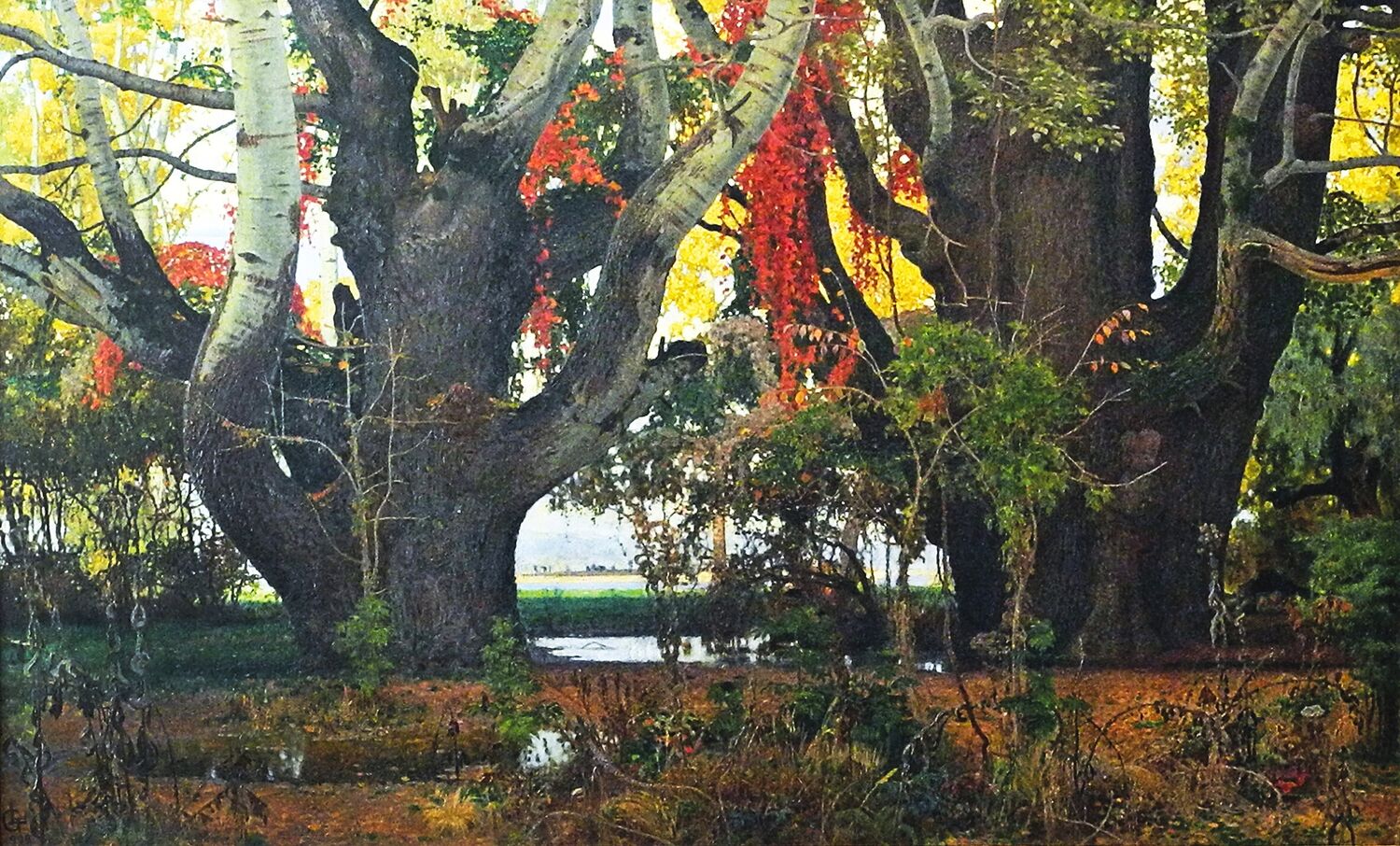
For far too long, Georg Lührig (1868—1957) was a forgotten artist in Dresden. Although born in Göttingen, he lived on the banks of the Elbe for nearly five decades, thus becoming a “master in Dresden.” Together with Hans Unger, Sascha Schneider, Oskar Zwintscher, and Richard Müller, he transformed Art Nouveau and Symbolism into a distinctive, enigmatic visual language that can now be rediscovered.
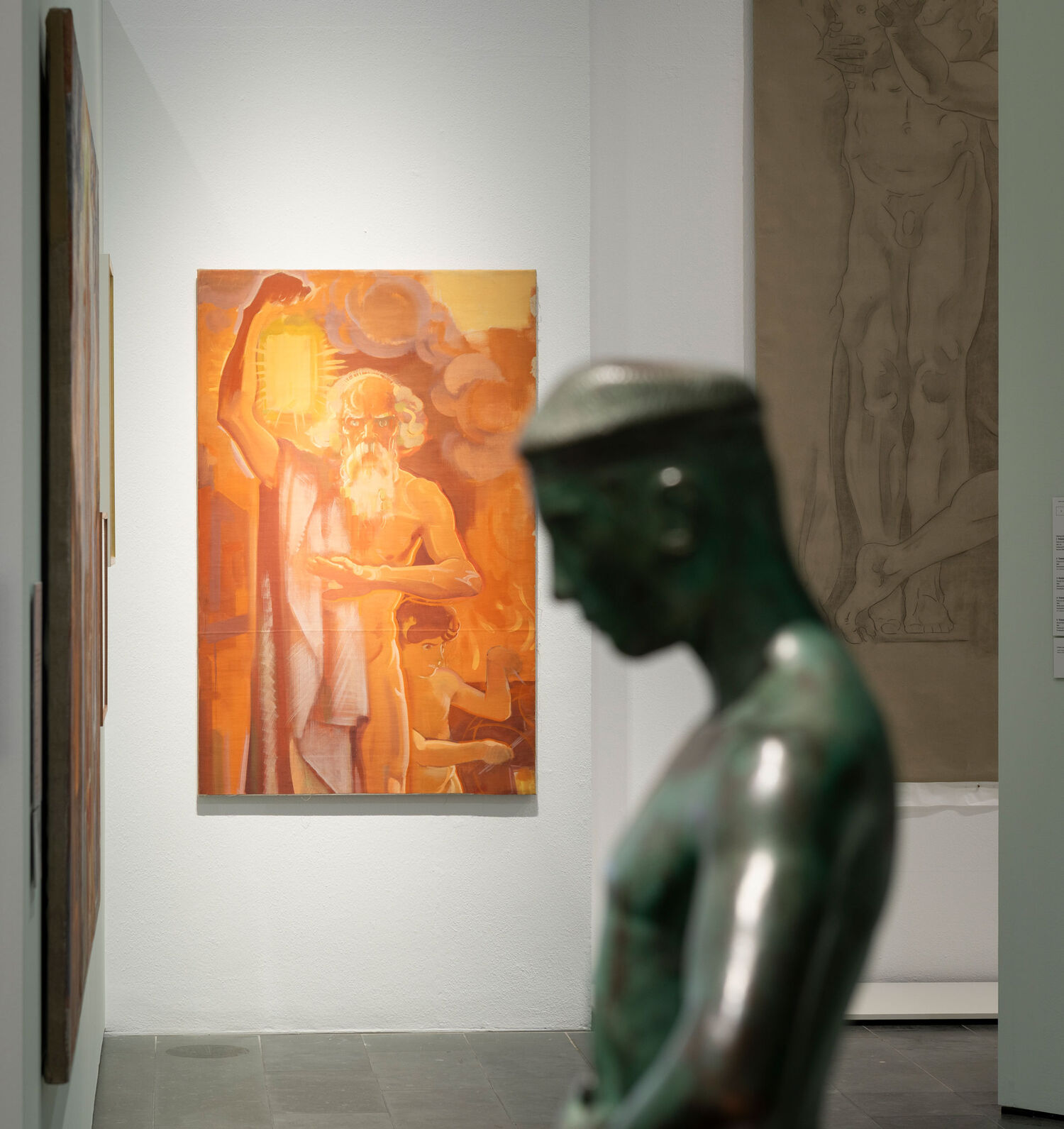
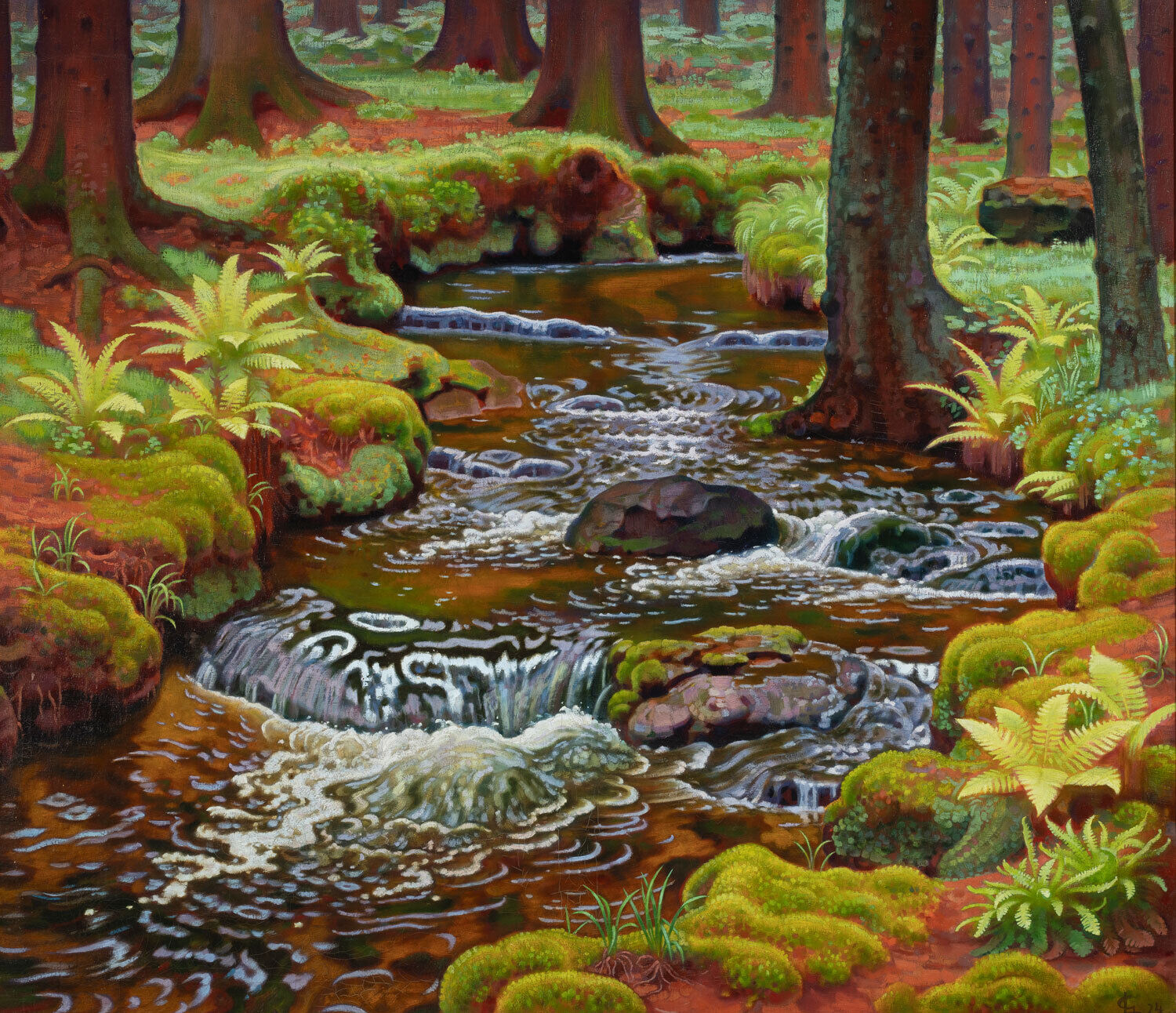
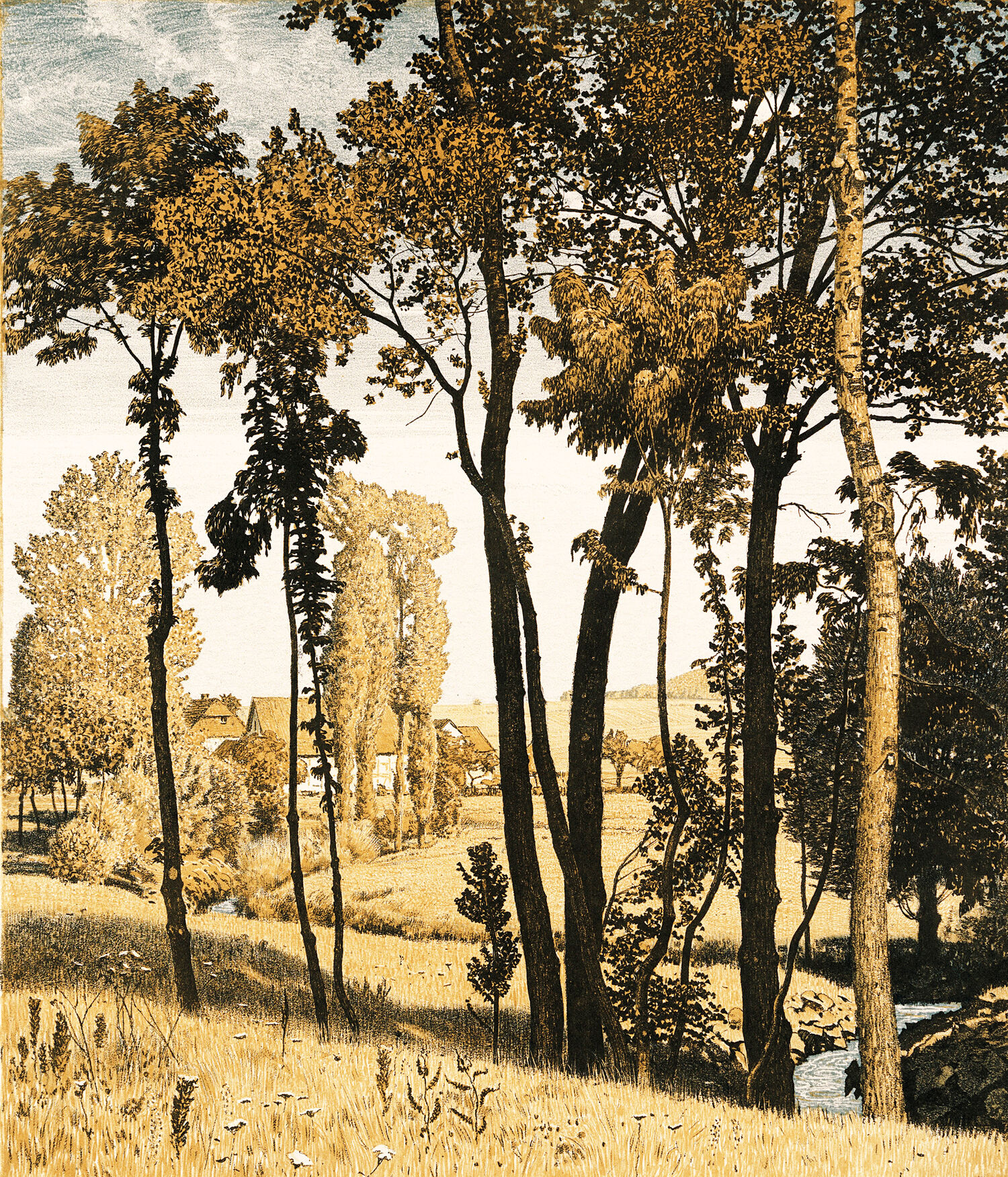
Lührig experimented with landscapes, animal depictions, and portraits using charcoal, pencil, watercolor, and lithography. His monumental frescoes and murals for public buildings (1904—1932) were famous but were destroyed in 1945. Thanks to an extensive estate that his heirs donated to the museum, these works can now be “resurrected” through large-format preliminary sketches and oil studies. Meticulously restored and accompanied by digital animation, they are the centerpiece of the exhibition.
Another highlight is his work from Romania, which he visited repeatedly from 1897 through the late 1920s: previously unpublished works on paper, lithographs, etchings, and watercolors demonstrate the mastery of an artist who had been obsessed with drawing since childhood. Despite his training at the Munich Academy of Fine Arts (1885—1889), he considered himself an autodidact throughout his life — an attitude that also shaped his teaching career at the Dresden Academy of Fine Arts (1916—1934).
The exhibition pays tribute to Georg Lührig’s extensive life’s work and brings back to the public’s attention an artist who has long deserved the recognition that has so far eluded him.
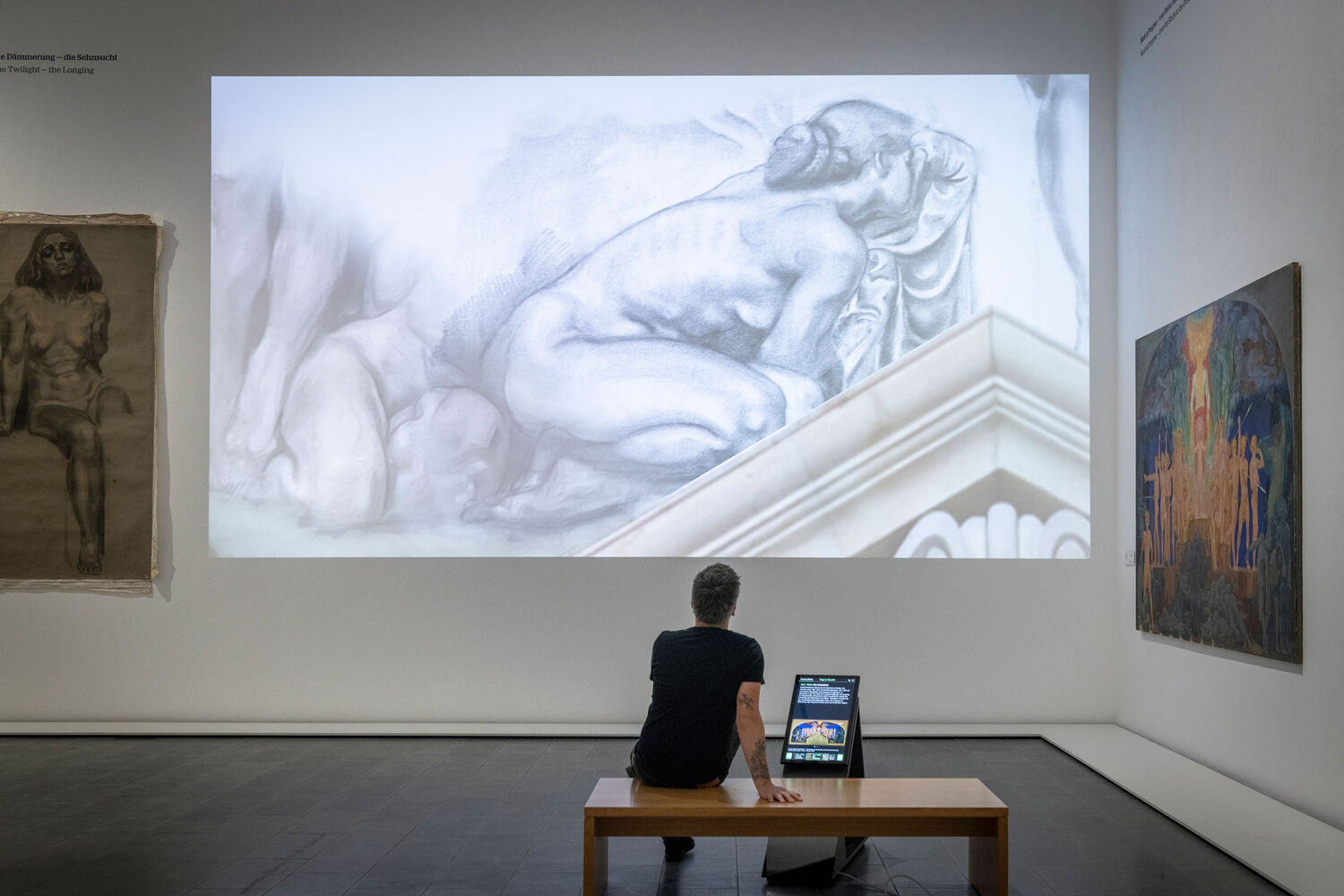
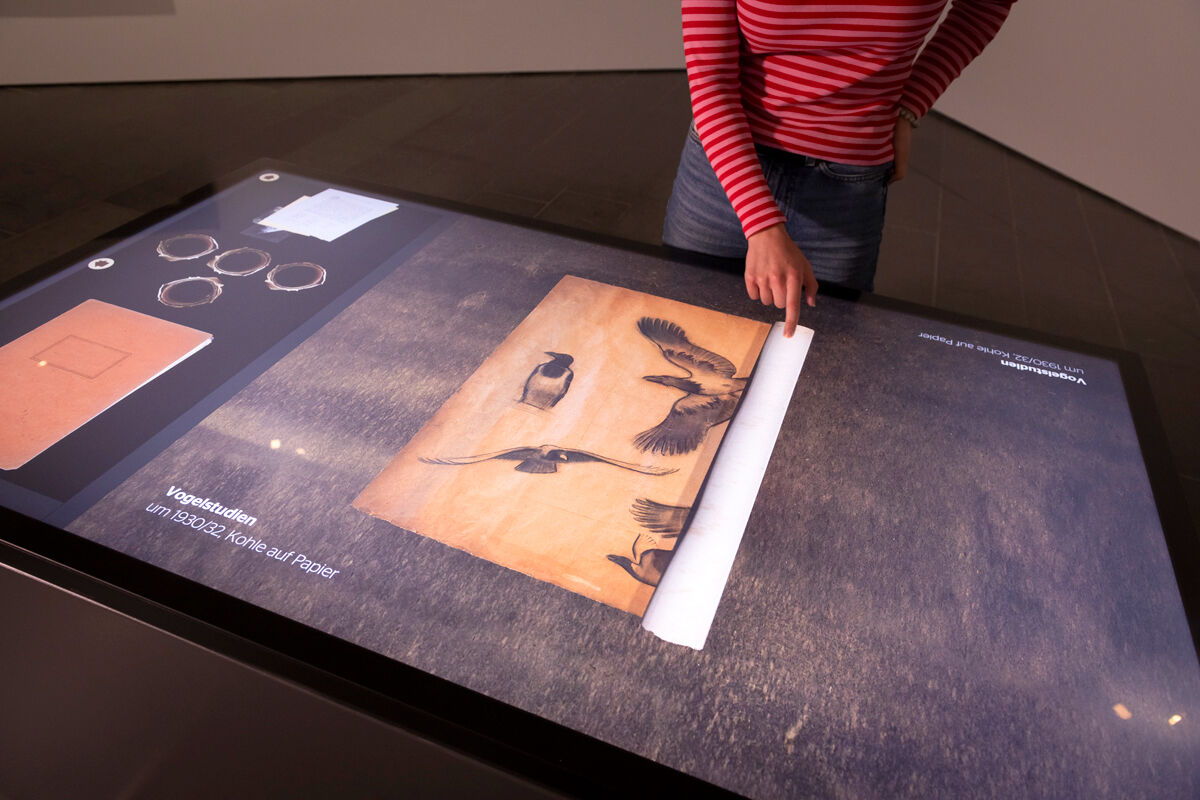
The exhibition invites visitors to explore Georg Lührig’s work through digital means. Interactive stations make previously unseen works accessible, bring together fragments into new visual contexts, and encourage active engagement with art — while also offering insights into archival, research, and museum practices.
At the media table, visitors can browse through scrolls, sketchbooks, portfolios, photographs, and documents. Eight thematic sections — from early studies to monumental frescoes — provide diverse insights into Lührig’s artistic practice. Works that cannot be physically displayed are made accessible here for the first time.
The destroyed frescoes “Day — Triumph of Light” and “Night” have been reconstructed based on historical sources and are presented as a large-scale projection, making them tangible once again. Additional media stations deepen this exploration and open up new perspectives on a key work of the exhibition.
Consultation & Booking
Please send us an email at edu@museum-wiesbaden.de
Phone consultation hours
0611 335 2185
Tue 10 a.m. — 12 p.m.
Fri 10 a.m. — 12 p.m.
Our offers are usually in German.
Märchenwälder, rosenumrankte Menschen und ein Pelikan
(1. bis 6. Klasse)
Kommt mit auf einen Rundgang und entdeckt die geheimnisvollen Bildwelten des Künstlers Georg Lührig. Was waren seine Ideen und warum hat er so genau gemalt? Gemeinsam finden wir es heraus!
Die geheimnisvollen Werke des Georg Lührig
( 9. Klasse bis Sek II)
Von der genauen Naturbeobachtung, ihrer symbolistischen Erhöhung und Verdichtung bis hin zu einer märchenhafter Bildsprache, reicht der Bogen seiner Malerei, seinen Lithographien und Zeichnungen. Mit diesem Führungsangebot laden wir die Schüler und Schülerinnen ein diesen vielseitigen Künstler und sein Werk durch genaue Bildbetrachtung zu entschlüsseln.
Schau genau — male Dein Lieblingstier!
(1. bis 13. Klasse)
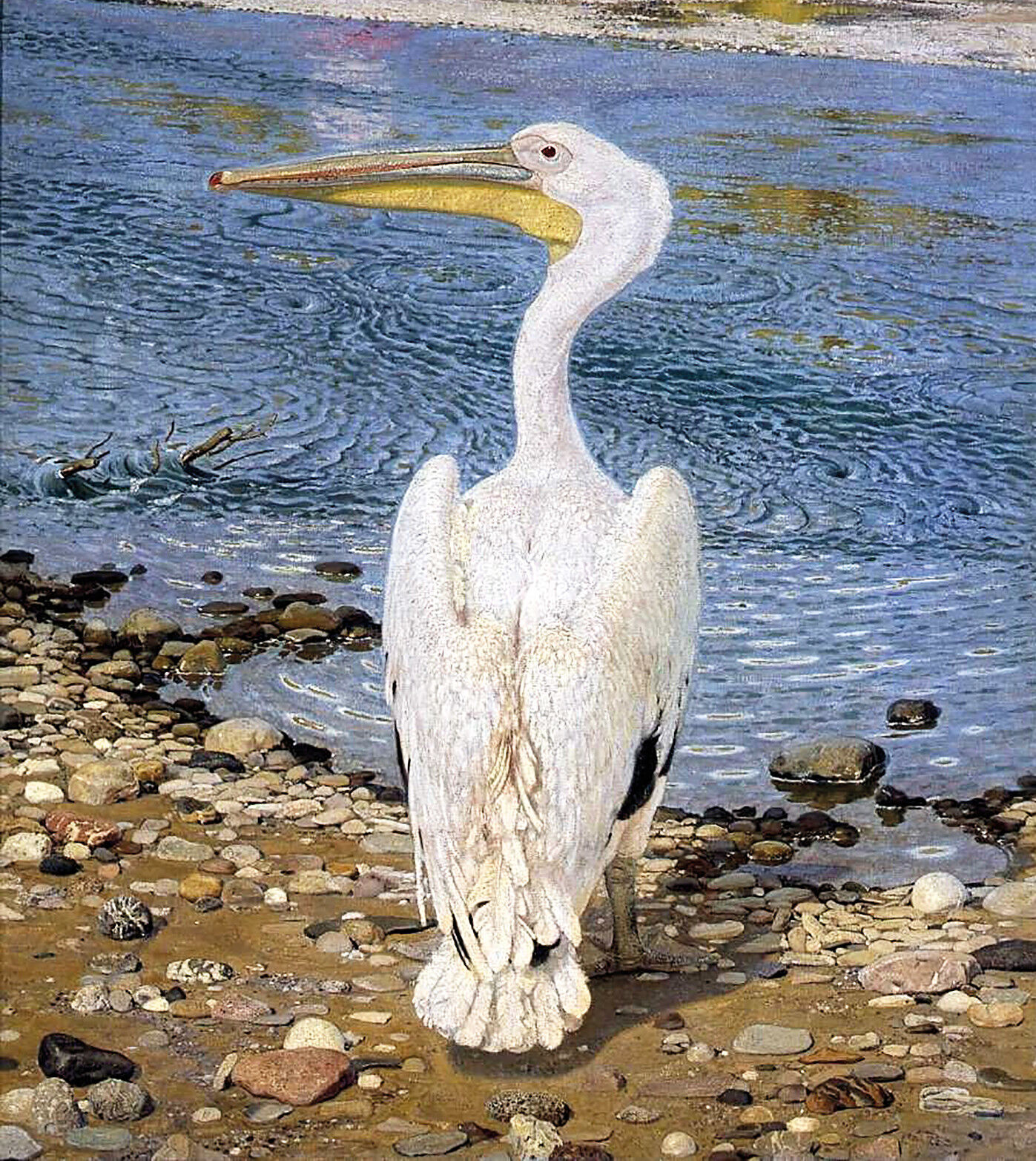
Ausgehend von Lührigs „Pelikanbild“ kannst Du Dir in der Naturabteilung Dein Lieblingstier aussuchen, mit dem Bleistift skizzieren und für die farbige Ausgestaltung im Atelier gerne auch ein Foto (ohne Blitz bitte!) von Deinem Tier machen.
Materialien: diverse Buntstifte auf Papier oder wasservermalbare Buntstifte auf Aquarellkarton
Atelierwerkstatt experimentell
(7. /8. Klasse bis Sek II)
Hier dürfen die SuS vor frei gewähltem Original in der Ausstellung Bildmotive des Künstlers skizzieren und danach im Atelier weiterbearbeiten und künstlerisch verfremden. Bitte wählen Sie für Ihre Klasse das gewünschtes Medium aus:
- Malerei mit Acrylfarbe auf Pappe
- Zeichnung in Bleistift, Kreidestift oder Zeichenkohle auf Papier oder Pappe
- Styrene-Druck auf farbigem Papier
Peter Forster, Curator of the exhibition


The project is funded by the Hessian Ministry of Science and Research, Art and Culture with funding from the Hessian Ministry of Digitalization and Innovation.