22 May 26 — 17 Jan 27
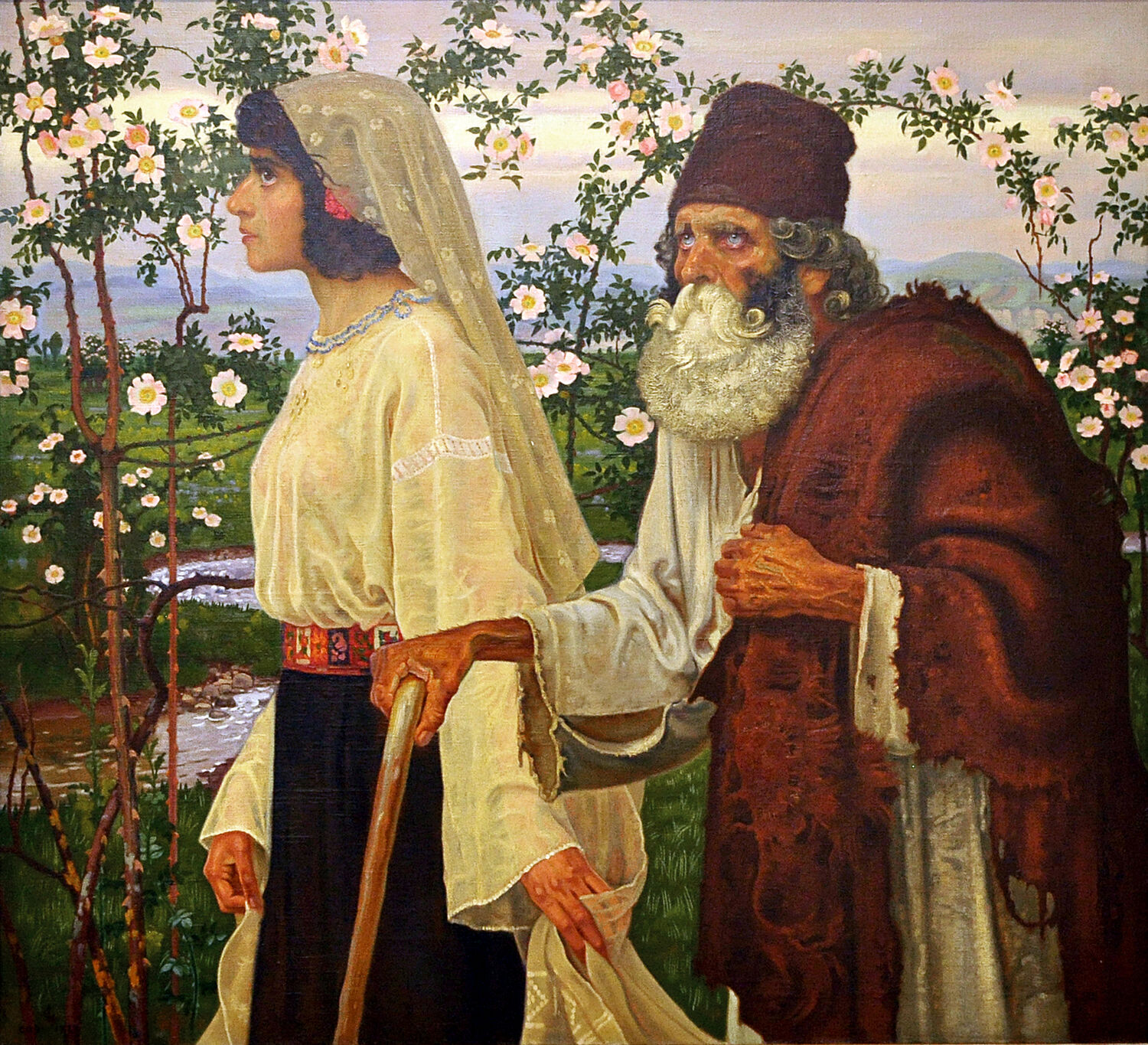
Georg Lührig, Wanderer I: Education of Man for Culture, 1904, privately owned © Tilman Holly
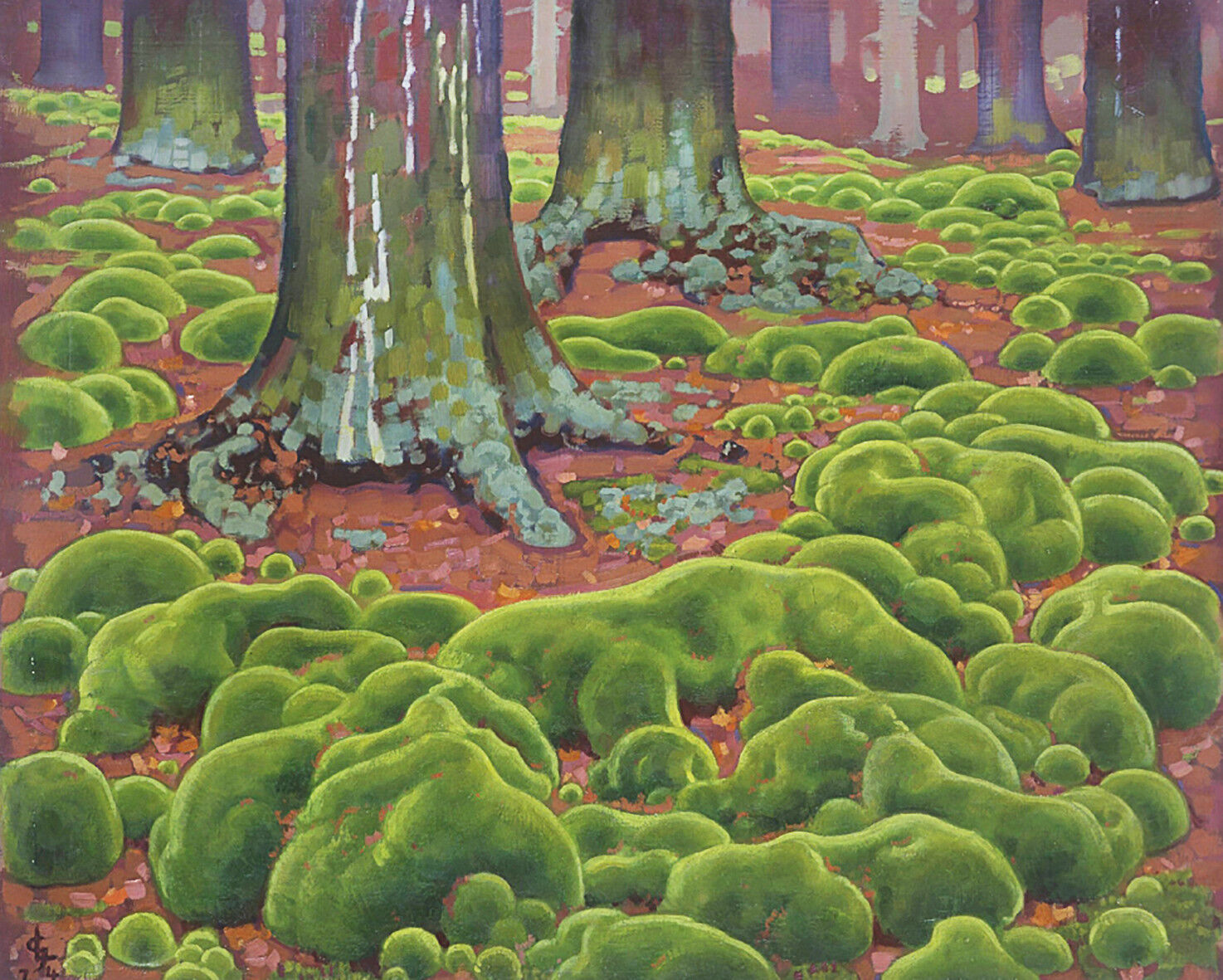
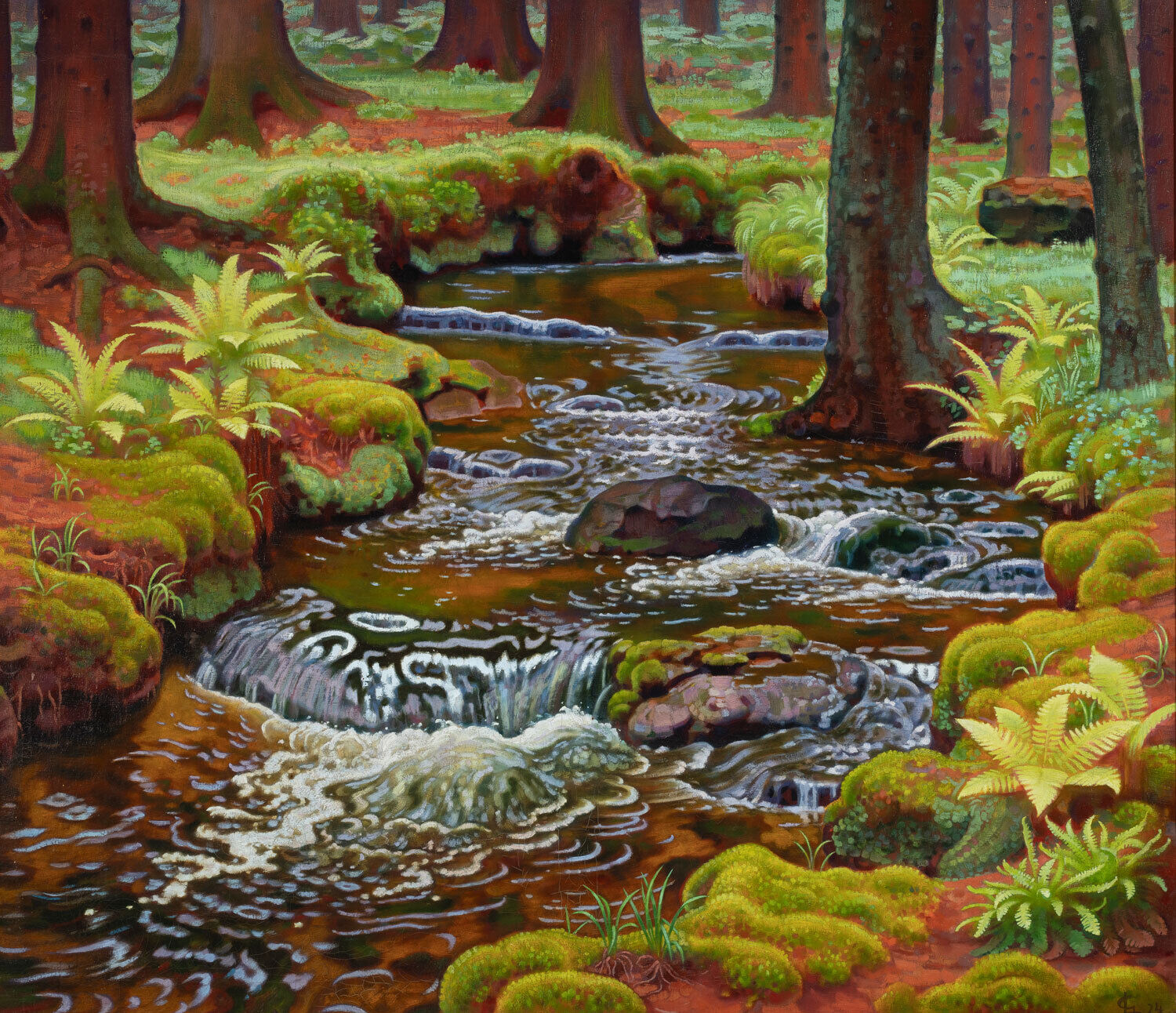
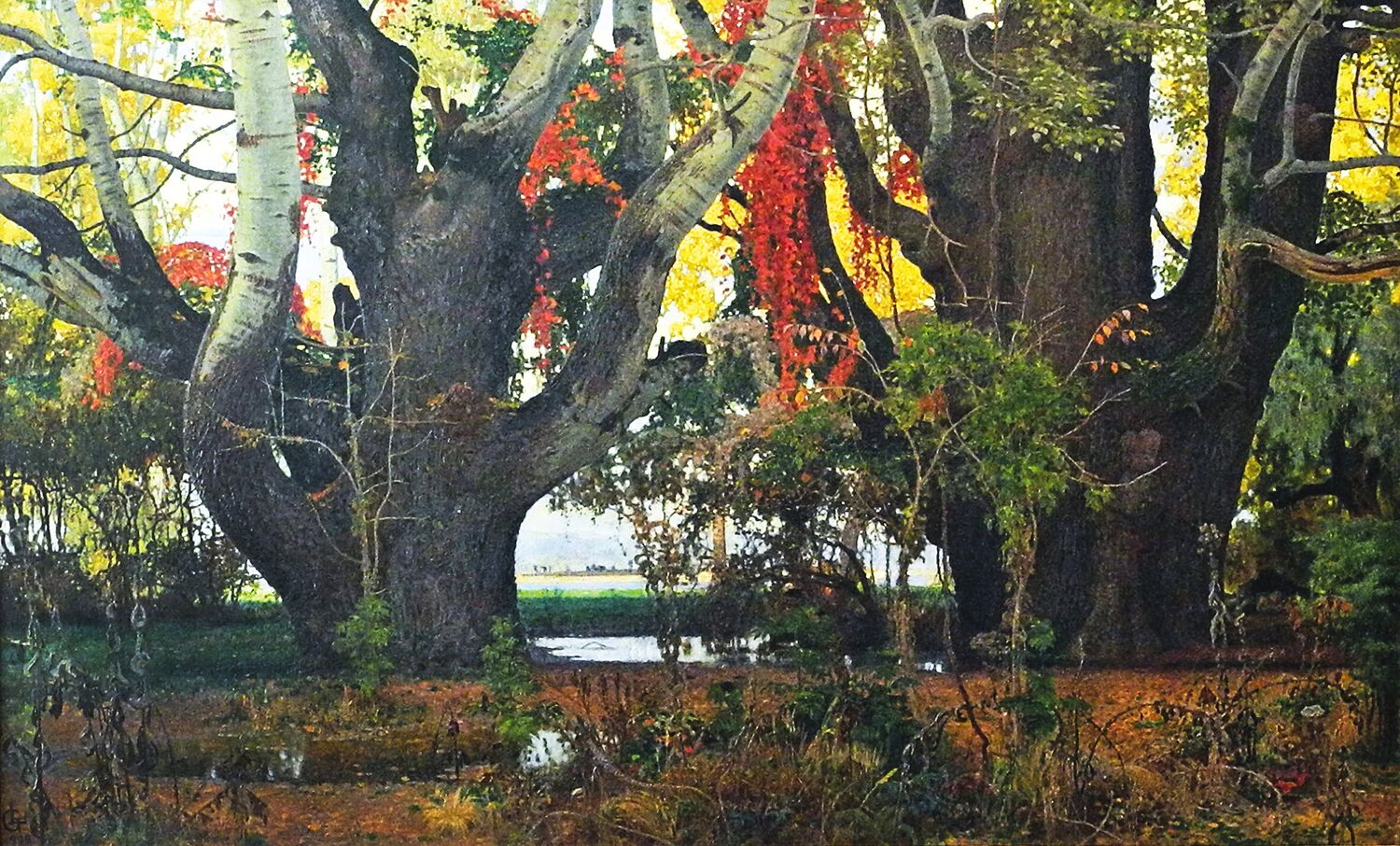
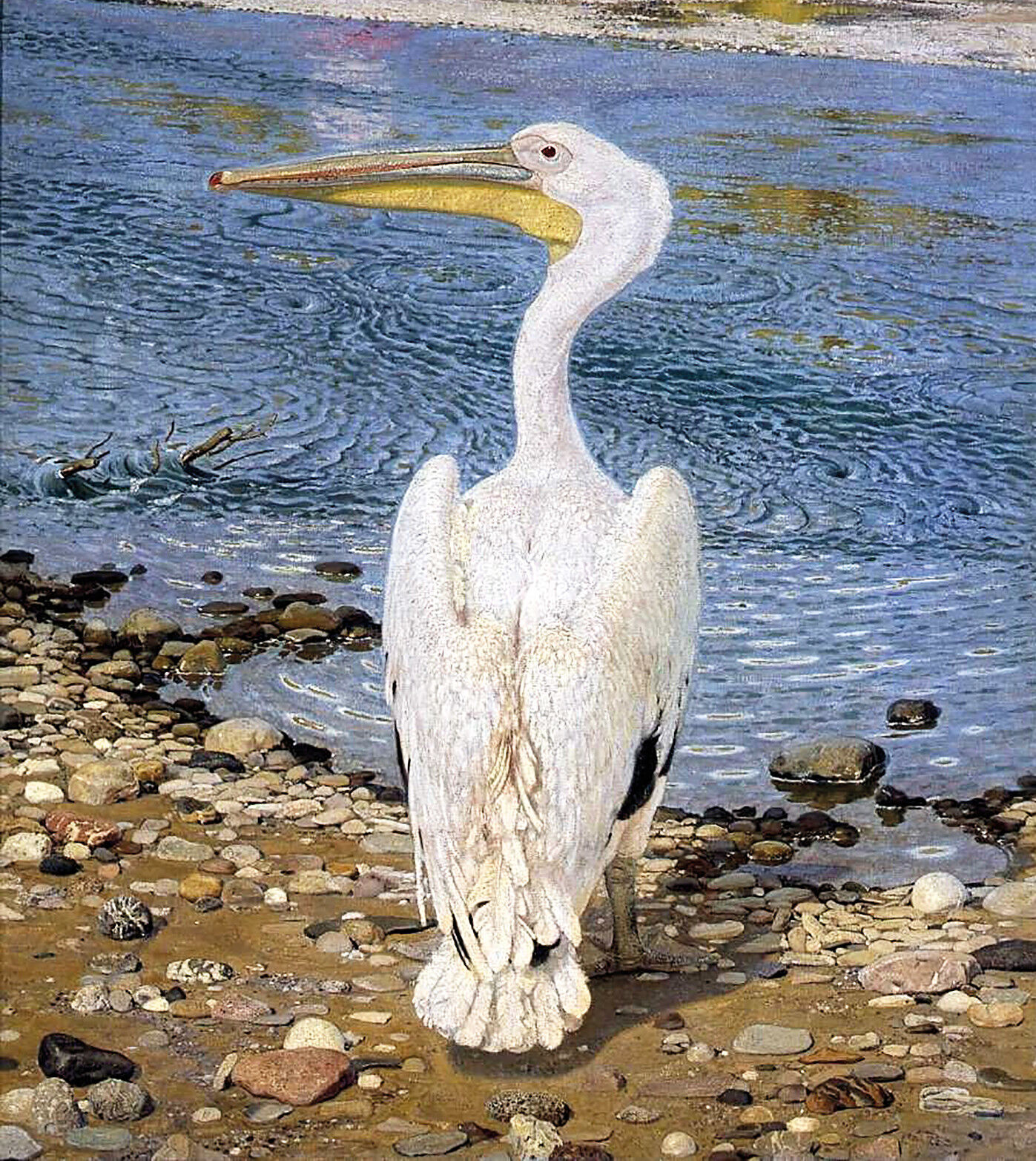
Georg Lührig (1868—1957) was a key figure in Dresden’s art scene at the turn of the 20th century that united Jugendstil and Symbolism through its distinctive and captivating visual language. Lührig’s oeuvre is marked by great diversity in both form and content. He explored various materials and techniques, including charcoal, pencil, watercolor, and lithography.
This exhibition showcases the work of an artist who warrants rediscovery. It features a range of pieces, from small-scale studies to large-format oil paintings and monumental frescoes created for public buildings, as well as a variety of genres, including still lifes, landscapes, animal depictions, and portraits. Finally, it highlights Lührig’s works as a war painter during the First World War, where he served in France (Champagne) and Syria (Aleppo).
The exhibition invites visitors to explore Georg Lührig’s work through digital means. Interactive stations make previously unseen works accessible, bring together fragments into new visual contexts, and encourage active engagement with art — while also offering insights into archival, research, and museum practices.
At the media table, visitors can browse through scrolls, sketchbooks, portfolios, photographs, and documents. Eight thematic sections — from early studies to monumental frescoes — provide diverse insights into Lührig’s artistic practice. Works that cannot be physically displayed are made accessible here for the first time.
The destroyed frescoes “Day — Triumph of Light” and “Night” have been reconstructed based on historical sources and are presented as a large-scale projection, making them tangible once again. Additional media stations deepen this exploration and open up new perspectives on a key work of the exhibition.