Dioramas based on Maria Sibylla Merian's drawings
In 2025, the Museum Wiesbaden awarded the Maria Sibylla Merian Prize for the first time to an emerging artist and an emerging scientist. Women remain underrepresented in senior positions in the sciences. The awarding of the Merian Prize is intended to help counteract this imbalance. Jointly sponsored by the Alfred Weigle Foundation and the Museum Wiesbaden, a jury of experts and representatives from the museum and the Alfred Weigle Foundation selected the winners.Further information on the Merian Prize can be found here.
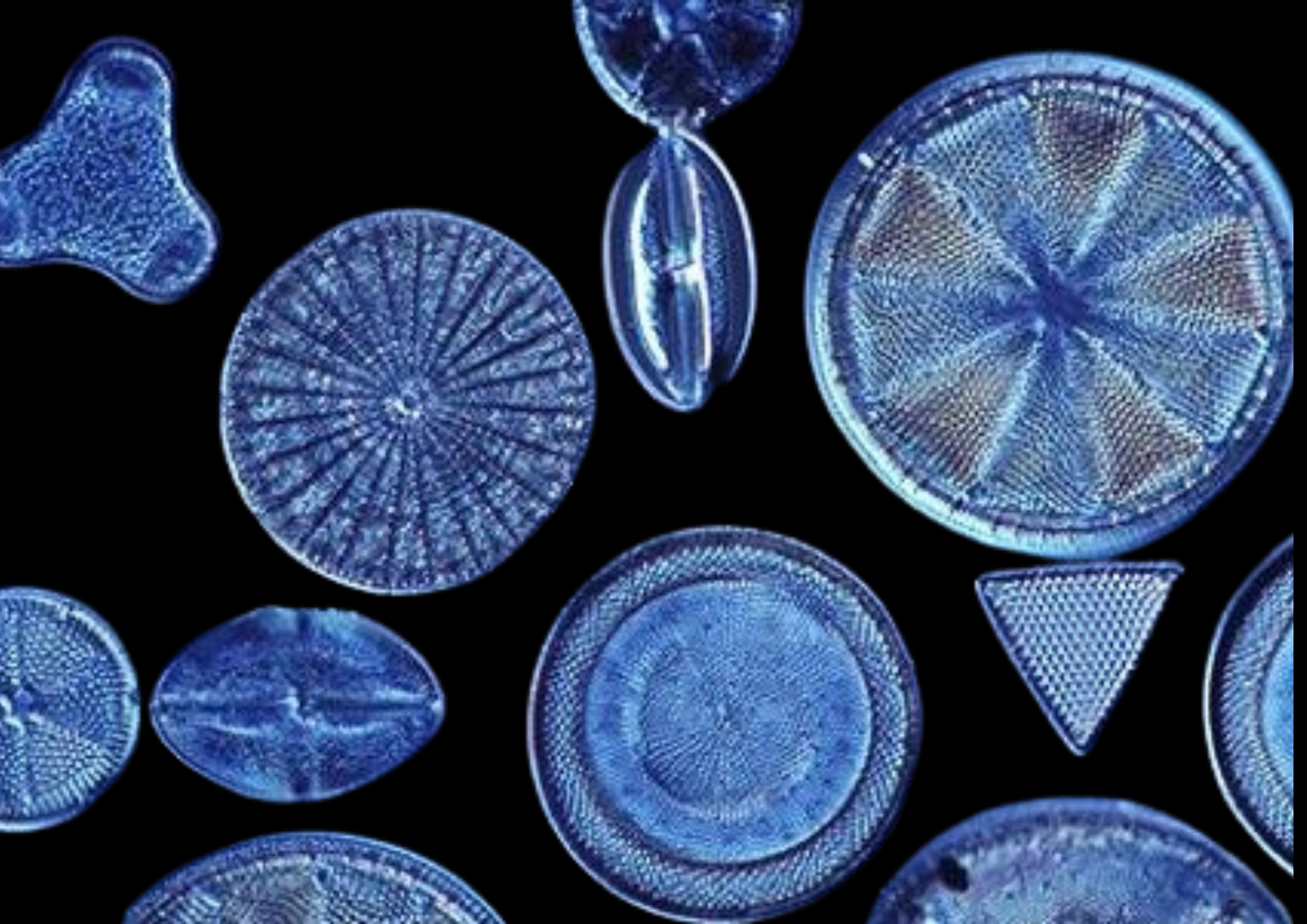
In the natural sciences, Juline Rodrigues da Conceição from Brazil was honored for her project “The Weaving of the Invisible.” Her research focuses on the world of microalgae and their importance for the ecological balance of aquatic habitats. In her funded book project, she will present this knowledge in a way that is accessible to a general audience and enrich it with the natural history of illustration.
Rodrigues was inspired by the work of Maria Sibylla Merian. Like Merian, she seeks not only to use illustration to provide a scientifically grounded insight into the hidden life of microalgae, but also to evoke positive emotions toward the subject through their beauty and aesthetics. A key factor in this is the fact that microalgae are invisible to the human eye. Under the microscope, however, their diverse forms can be explored.
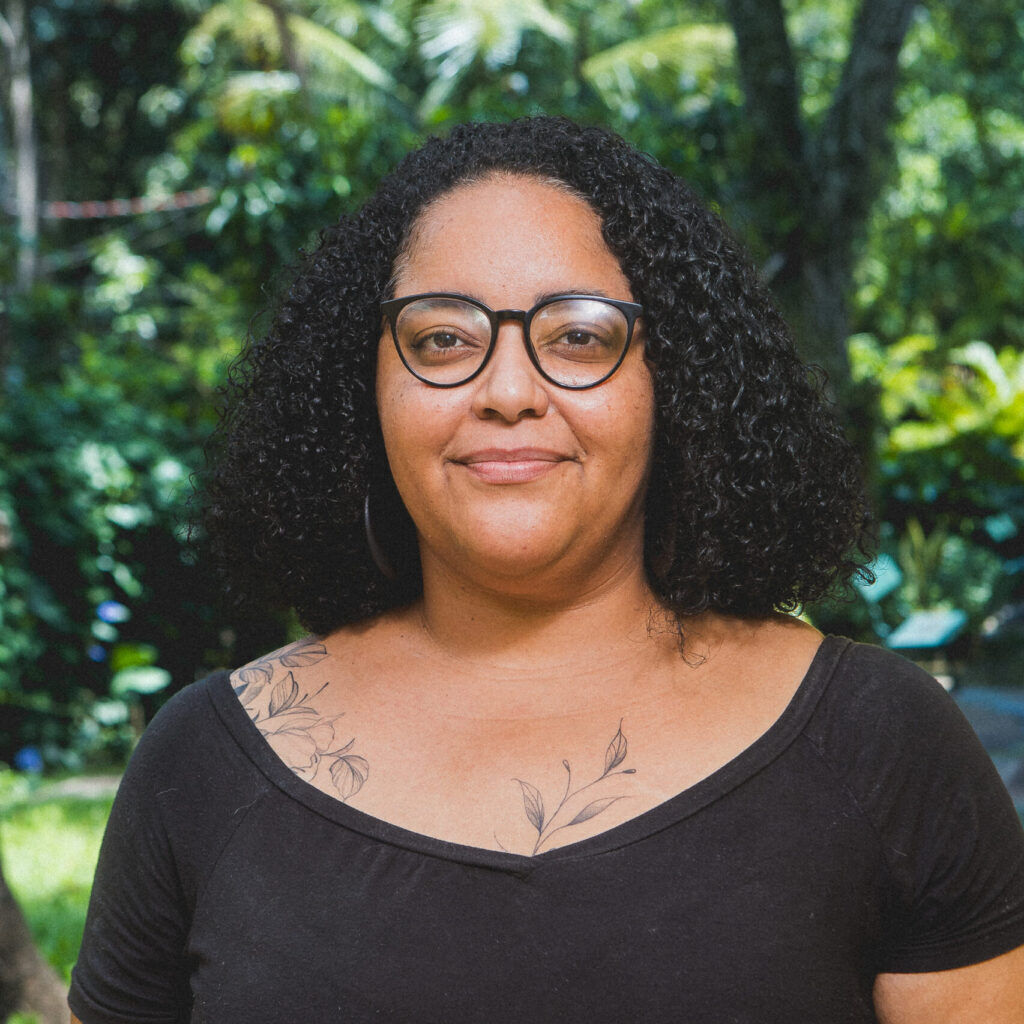
For her book, Rodrigues will not only study the Maria Sibylla Merian Collection in Wiesbaden, but will also visit the Christian Gottfried Ehrenberg Collection in Berlin. As a friend of Alexander von Humboldt in the 19th century, Ehrenberg made groundbreaking discoveries about microorganisms alongside his research expeditions. Together with her own scientific work, this structure divides the book into four sections. The first part will focus on the history of illustration and the natural history of microalgae and their habitats. In the second part, the researcher will present her work using microscope photos and explain how these help us understand the biodiversity of microalgae and what conclusions can be drawn from this regarding changes in the world. The third part is dedicated to the visual analysis of large scientific datasets, which then help foster a broader understanding of the importance of microalgae in ecosystems. These three parts culminate at the end of the book in a synthesis of a comprehensive, accessible model. In her laudatory speech, Prof. Susanne Foitzik praises: “Through blogs, outreach activities, and public lectures, Juline Rodrigues conveys biological content clearly, objectively, and comprehensibly, thereby contributing to a broader awareness of scientific topics.”
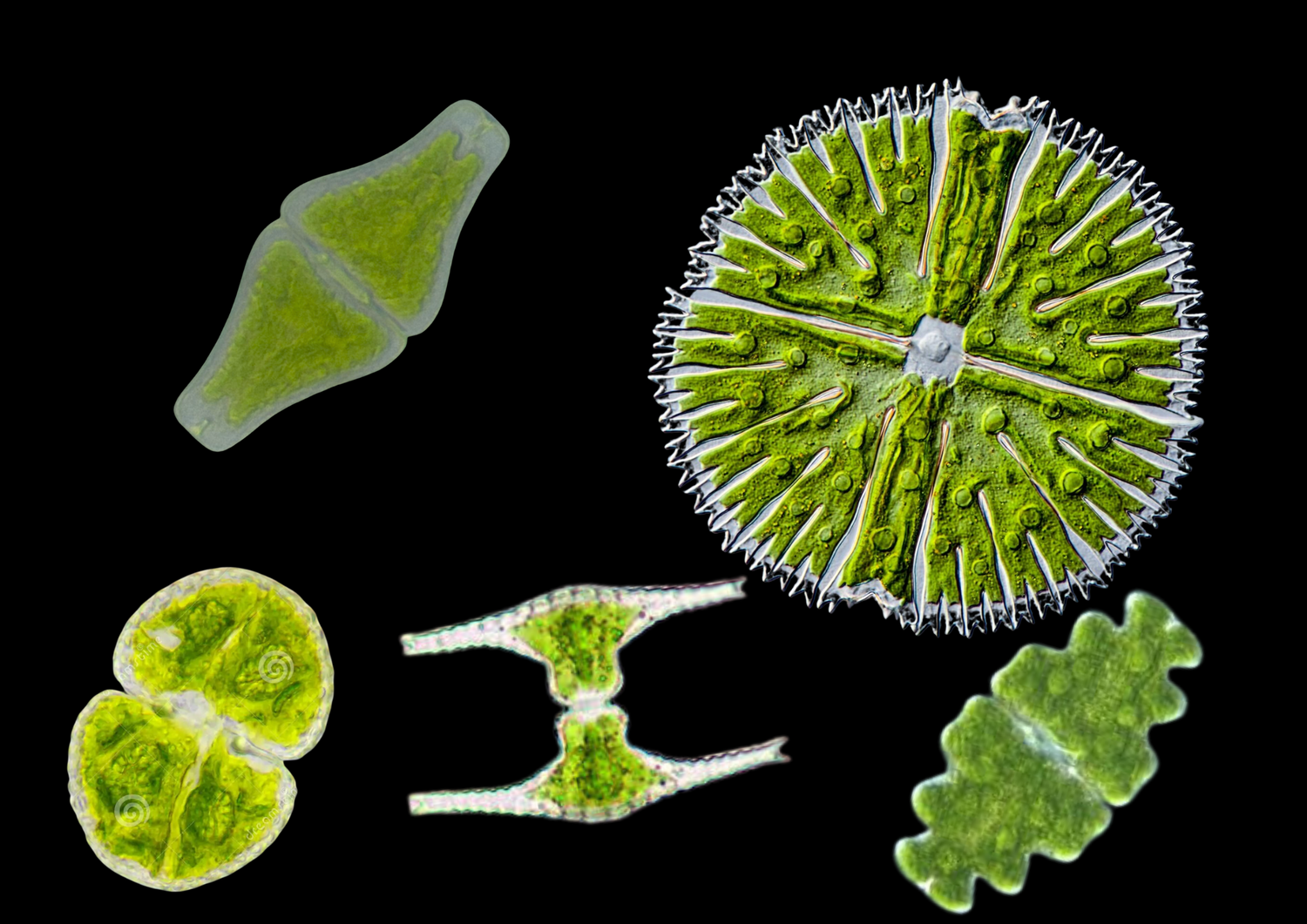
In her project, Rodrigues follows in the footsteps of Maria Sibylla Merian: starting from her own observations, she provides descriptions followed by a scientific interpretation or generalization. With this approach, Merian was ahead of her time and set standards for future generations of scientists. The jury is convinced that Juline Rodrigues’ project continues Merian’s legacy. “We are delighted to honor not only an outstanding scientific work but also a book project that seeks to transfer knowledge to society through accessible texts and illustrations. This was also very important to Maria Sibylla Merian and is key to Merian’s significance today!” adds Hannes Lerp, Director of the Natural History Collection.
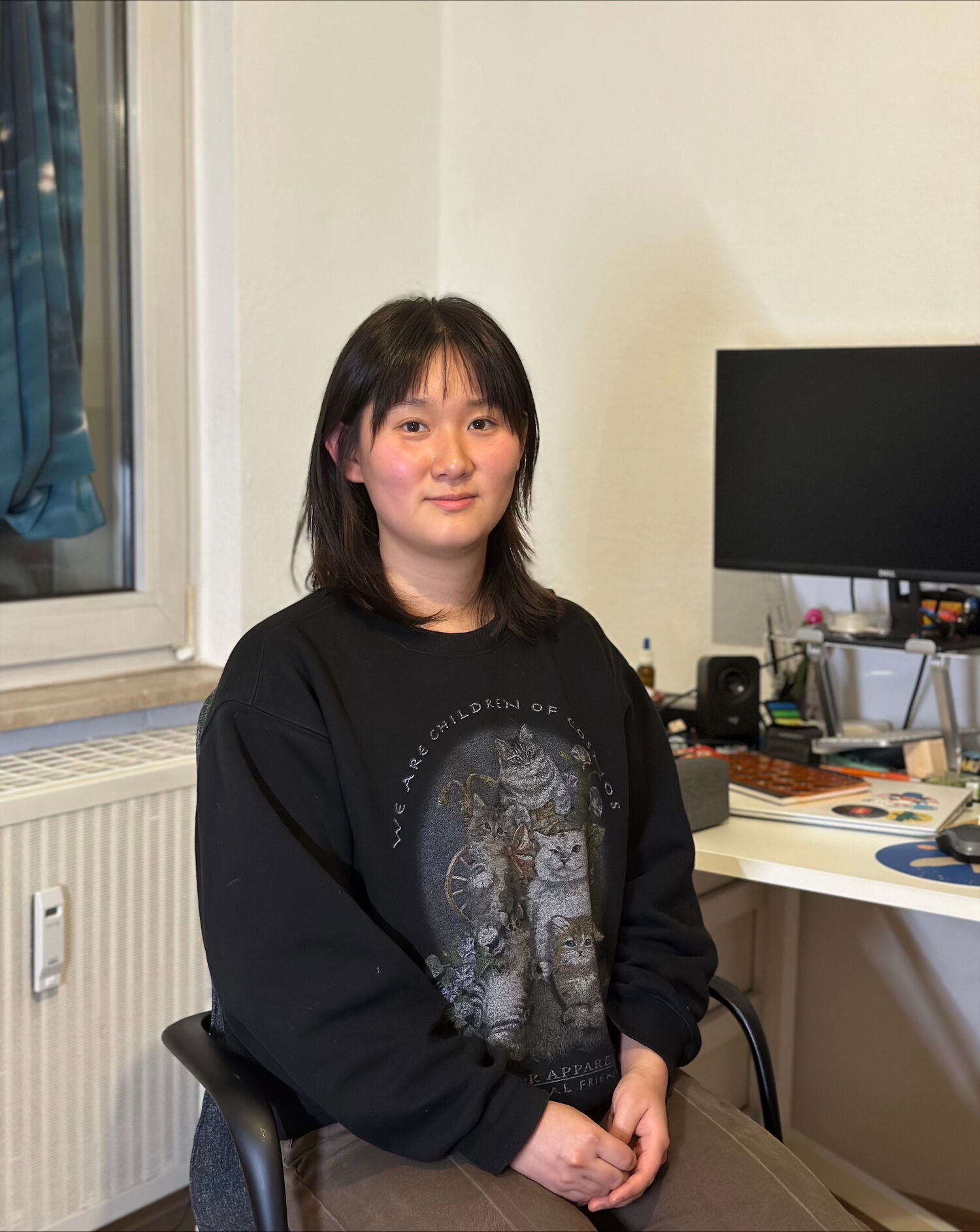
In the field of art, the award goes to Seongbin Ma, a student at the Städelschule. Her project focuses on urban walks, which she documents through photography and drawing and organizes in a diary-like format with accompanying texts.
Drawing is even more important to her than photography, as it guides the viewer toward seeing and thus understanding. While she plans to take walks in all seasons, she is particularly drawn to winter: dark and wet, it offers small discoveries in cracks, corners of walls, and the edges of the asphalt—moss that draws what little moisture it can from the surroundings even in winter. For Seongbin Ma, however, moss also reminds her of her own youth in a rural setting in South Korea, of the smell of moss, of plants, of nature.
In memory of this, she begins her explorations in Germany—strolling through the city on aimless walks, searching for the small, unassuming things. She examines the moss in her studio under a microscope, where she creates the finest drawings. She focuses on the moss as a miniature world to show that one must “make oneself as small as possible and bring one’s eyes very close” in order to see the otherwise hidden living creatures. In the spirit of Maria Sibylla Merian, drawing serves her not only to understand, but also to convey structures and connections that would otherwise remain unseen.
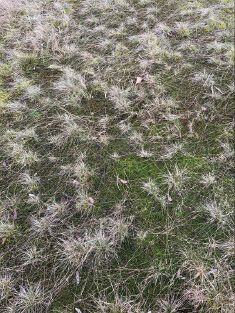
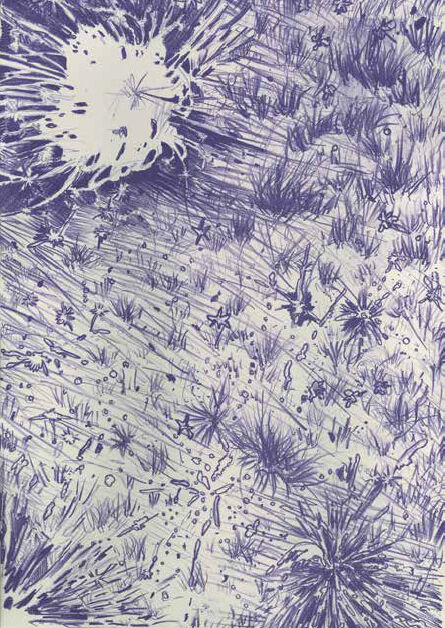
Last year, she already explored, through photographs and lithographs, nature’s tenacious attempts to reclaim industrially contaminated soil (in this case, the Bitterfeld-Wolfen film factory). In a similar vein, the planned project now aims to observe and renegotiate the relationships between asphalt, walls, and the forces of nature nesting in between.
“Ultimately, the publication is intended to go beyond a personal diary and serve as an artistic-critical archive that makes the multi-species coexistence within the urban ecosystem visible and allows the relationship between city and nature to be understood from new sensory and theoretical perspectives.” (Seongbin Ma)
The plan is to present the publications of the two award winners at the next awards ceremony in 2027.